Diaspora means a scattering—but not just away from. It’s also a scattering into: people of yours wherever you go. There’s dislocation in that, but also a strange kind of belonging. You’re never quite at home, but also never entirely foreign. We are at home wherever we are, as the Jewish Bundists say.
I come from the Armenian diaspora. Much of the history I now hold came to me late, in fragments I had to gather myself. So much so that when my family went to Armenia for the 100th anniversary of the genocide, I misunderstood the purpose of our trip. I didn’t yet know what had been left unsaid. I learned the truth online months later. A strange inheritance: delayed, then all at once.
That moment formed something in me—something about responsibility, memory, and the ethics of knowing. I now see myself as a banner-carrier of the diasporic experience—not just for Armenians, but in solidarity with all displaced and fragmented peoples. Diaspora isn’t a single story but a way of listening, noticing, and asking better questions.
Ironically, none of the languages I study are mine. I never learned Armenian. I was meant to attend an immersion program in Yerevan in 2020, but it didn’t happen for the obvious reasons. The language now feels like an island—real, reachable, and still far away. It’s typologically unusual and hard to access. And emotionally, I’ve kept it at a distance—not for lack of interest, but for fear of doing it harm.
Still, the connection shows up. It’s in the care I bring to other people’s histories, in my reverence for displaced traditions, in my work with Semitic languages—speech communities so often marked by rupture. I haven’t yet studied heritage material from my own background, but I carry the stakes of diasporic scholarship into every archive. Distance doesn’t cancel care, it clarifies it.
My sense of scholarly ethics—especially around archaeology and epigraphy—grows directly from this. I believe in repatriation, in collective self-determination and the right of communities to steward their past. Yes, nations are imagined, but so are all our systems of meaning. So long as national identity structures the world, its claims must be taken seriously.
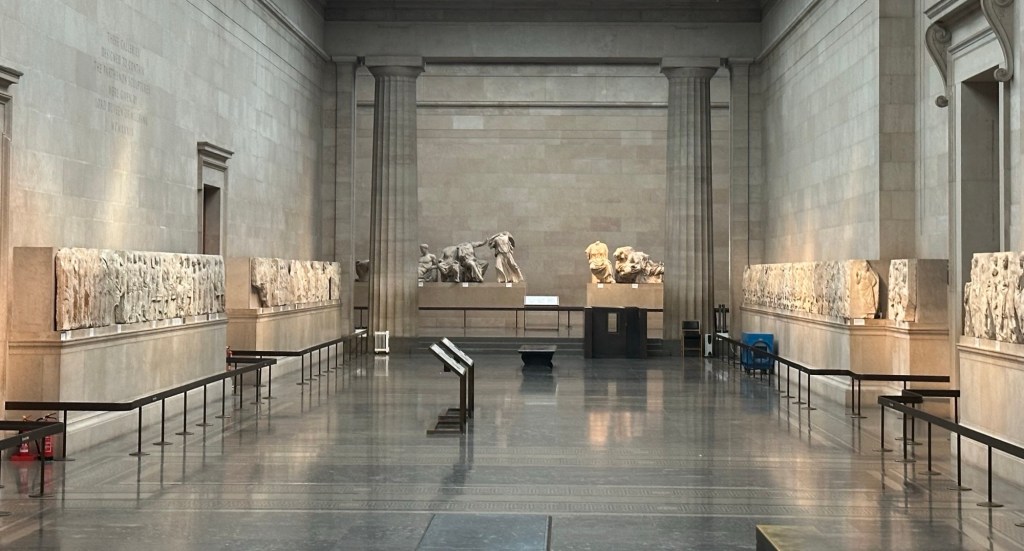
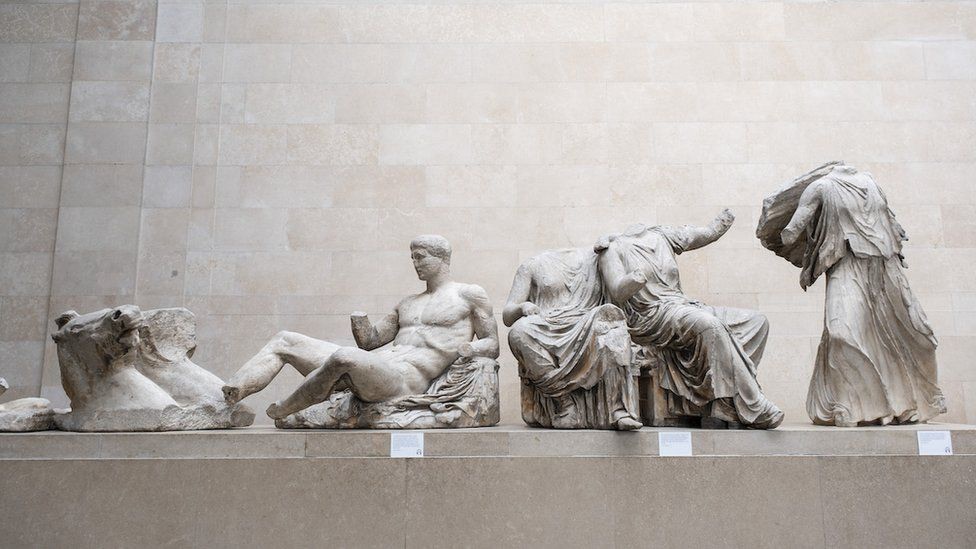
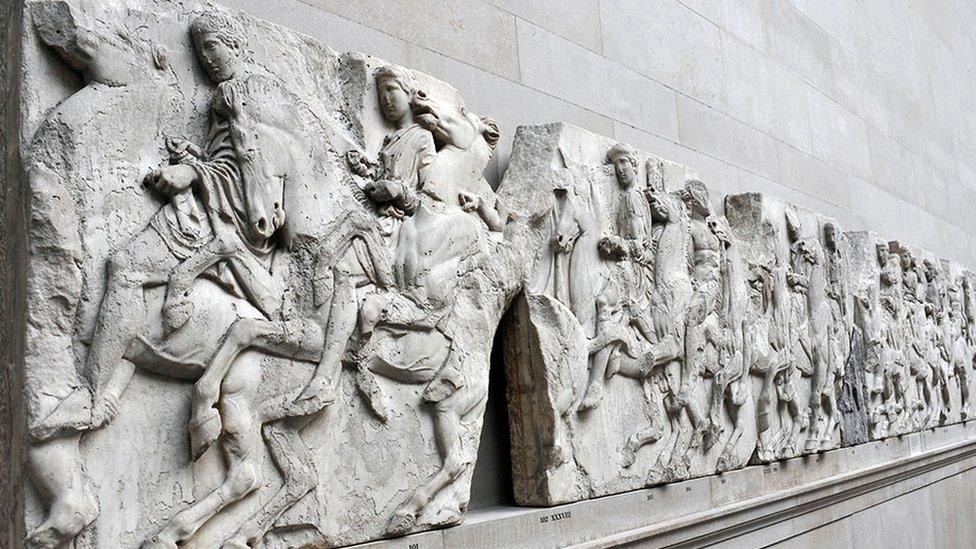
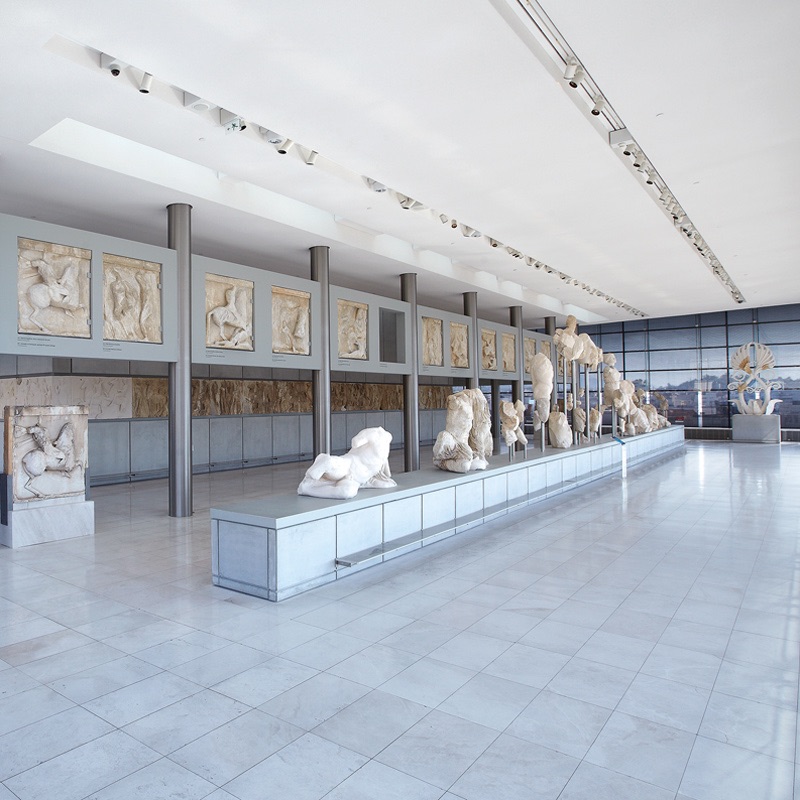
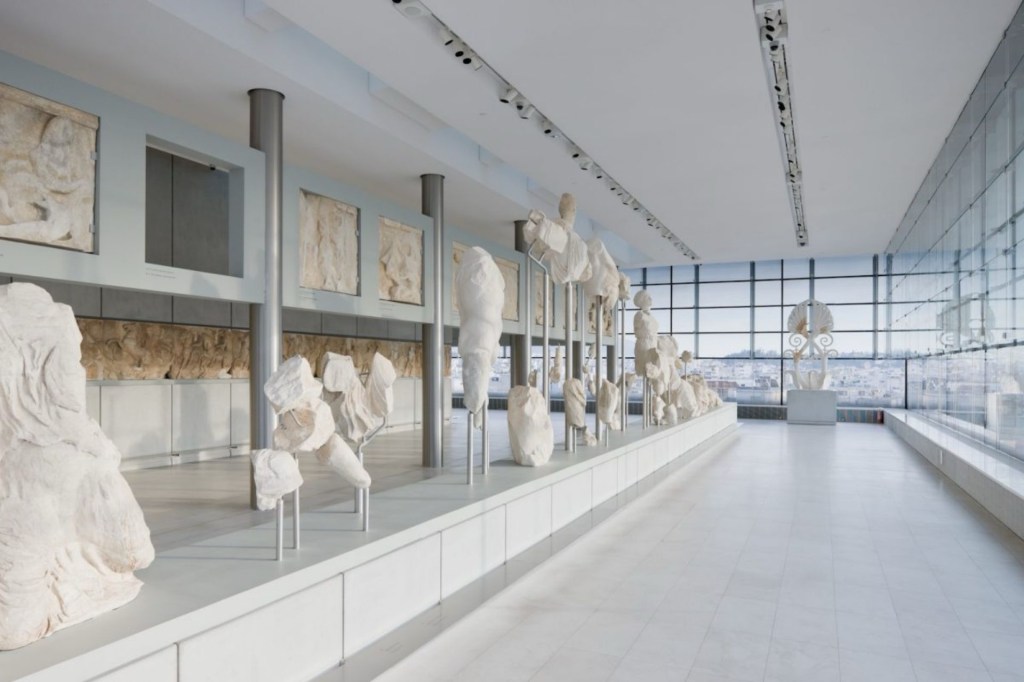
Museums, of course, complicate things. Scattering brings both access and erasure. Greek artifacts in London, Mesopotamian seals in New York—these too live in diaspora. There’s value in broader visibility, especially for those who can’t travel. But there’s loss, too: of voice, of sovereignty, of situated knowledge. I think about this often. I haven’t resolved it.
I don’t just want a life in the library. I want antiquity to be for everyone. I want the past to feel shared, common, alive. I want to show people that our inheritance—linguistic, cultural, intellectual—is truly ours. The more we realize that, the more fully we can meet the present. That’s the gift of diaspora: a way of being scattered that still insists on connection.


Leave a Reply