The trouble of big projects isn’t the beginning, when the spark of the idea sustains you, nor the final stretch, when you have the promise of closure and the satisfaction of naming what you’ve completed. It’s the middle, at least for me. The quiet question arrives: is this worth the hours, the labor, the limited energy I have? I wonder whether I’m still uncovering something. Every metric, every dataset, every traced line starts to blur.
That question finds me somewhat often—when a script won’t compile, when a line refuses to resolve, when a day’s tracing yields nothing new. It’s never some dramatic collapse, just a slow thinning of conviction.
I used to take that as failure, as proof that I wasn’t cut out for long projects or that real scholars didn’t feel this way. But doubt, I’ve learned, is part of the method. It means I’ve reached the part of the work where certainty would be dishonest. Projects that matter eventually resist you—they stop confirming your brilliance and start asking what you actually believe in.
Doubt is the test of whether the initial fire was real. To stay with something is the difference between driven and devoted. Ambition wants progress; devotion wants presence. The work I trust most emerges from that quieter side of the self, the kind that endures even without visible reward.
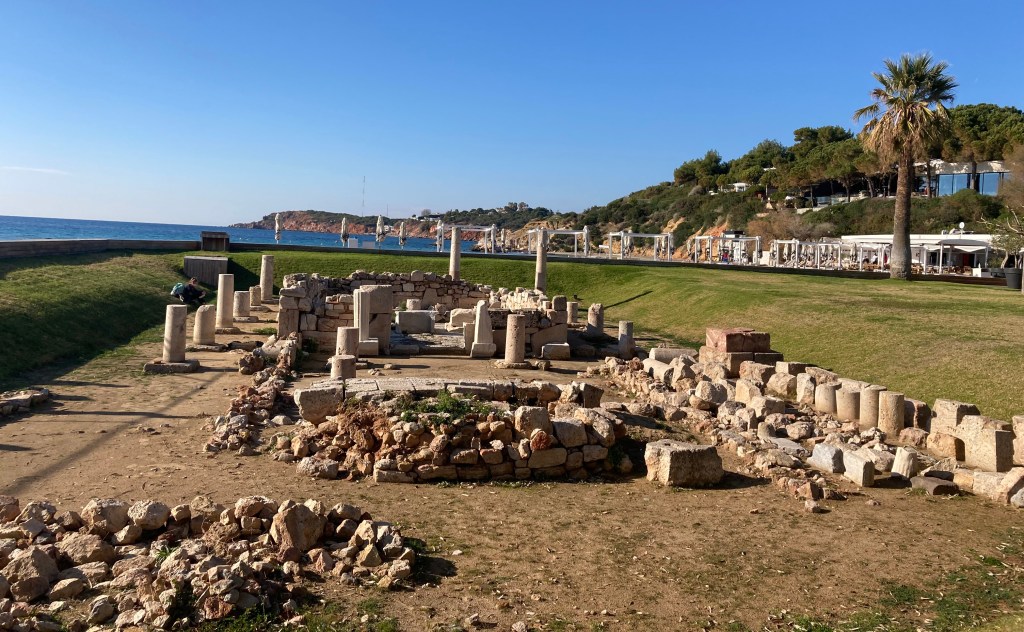
When I’m in that fog, I do two things. The first is find milestones to celebrate and share; that’s a major function of the APEX Updates series. The second is think about field archaeologists in the trench. Most days, you don’t find anything spectacular. You scrape, record, bag, label, and go home covered in dust. Perhaps you down some Advil if the ground was especially uncooperative that day. (I’ve been there.) Meaning comes later, when the layers are mapped and the fragments aligned.
The paradox of discovery: the ground never tells you you’re close.
If Marginalia 3 was about the spark that begins a project, this is about what happens when the spark dies down. To keep going is to trust in slow revelation. That’s what this phase is: not failure, not even frustration, but the apprenticeship to patience.


Leave a reply to Marginalia, 5: To the First-Semester Student – To Wake the Dead Cancel reply