Tag: Marginalia

  • Marginalia, 7: The Archive’s Great Secret

    These thoughts concern the evolution of knowledge and intellectual culture in the general and abstract. They are reflective of no particular environment.

    We receive our disciplines like walled gardens—beautiful, precise, and fenced. We pad through them carefully, tracing old paths, diligent to not disturb the moss. The longer I study, the more I believe those walls are historical habits, not inevitable truths; refined in their purpose yet always evolving.

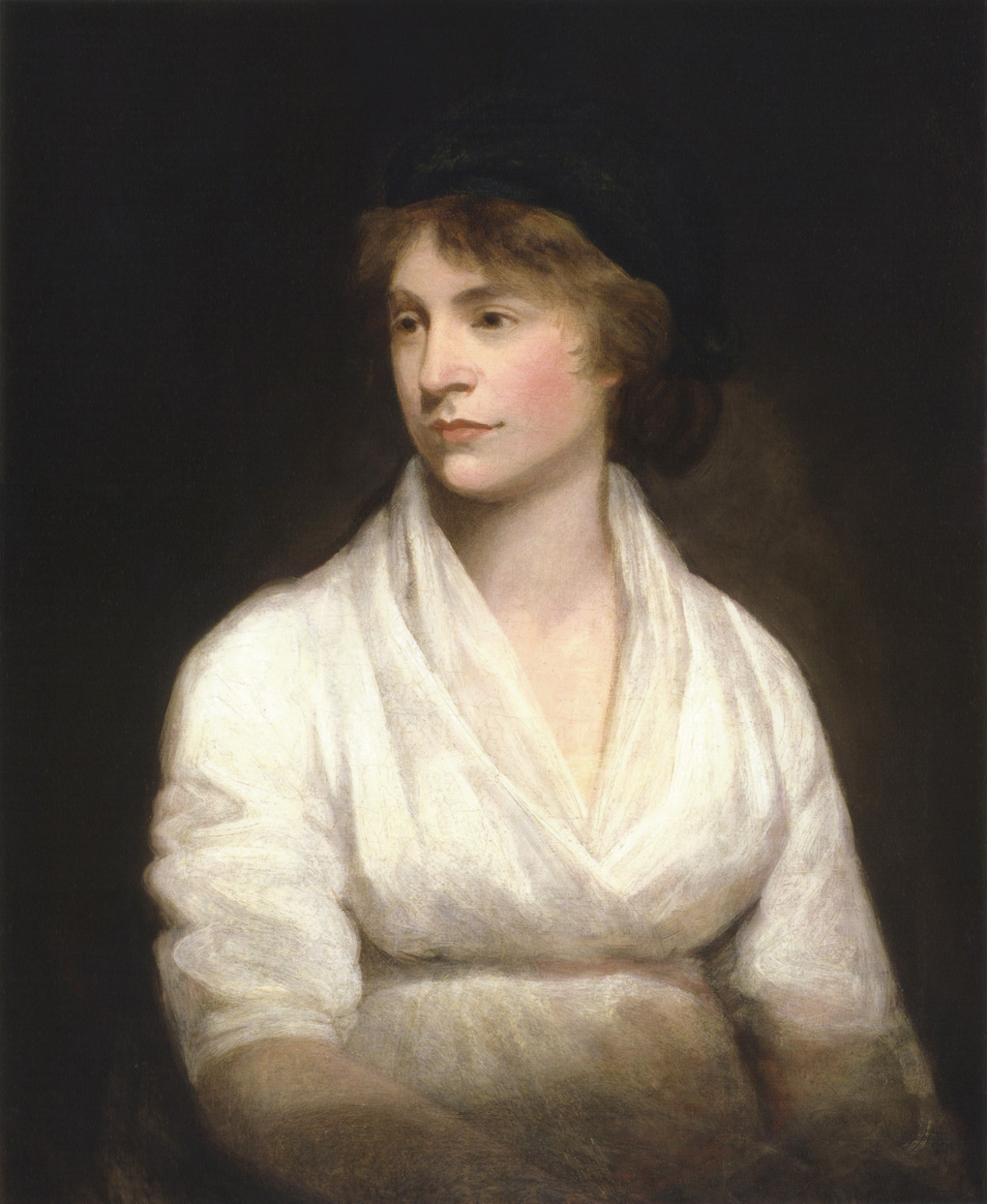
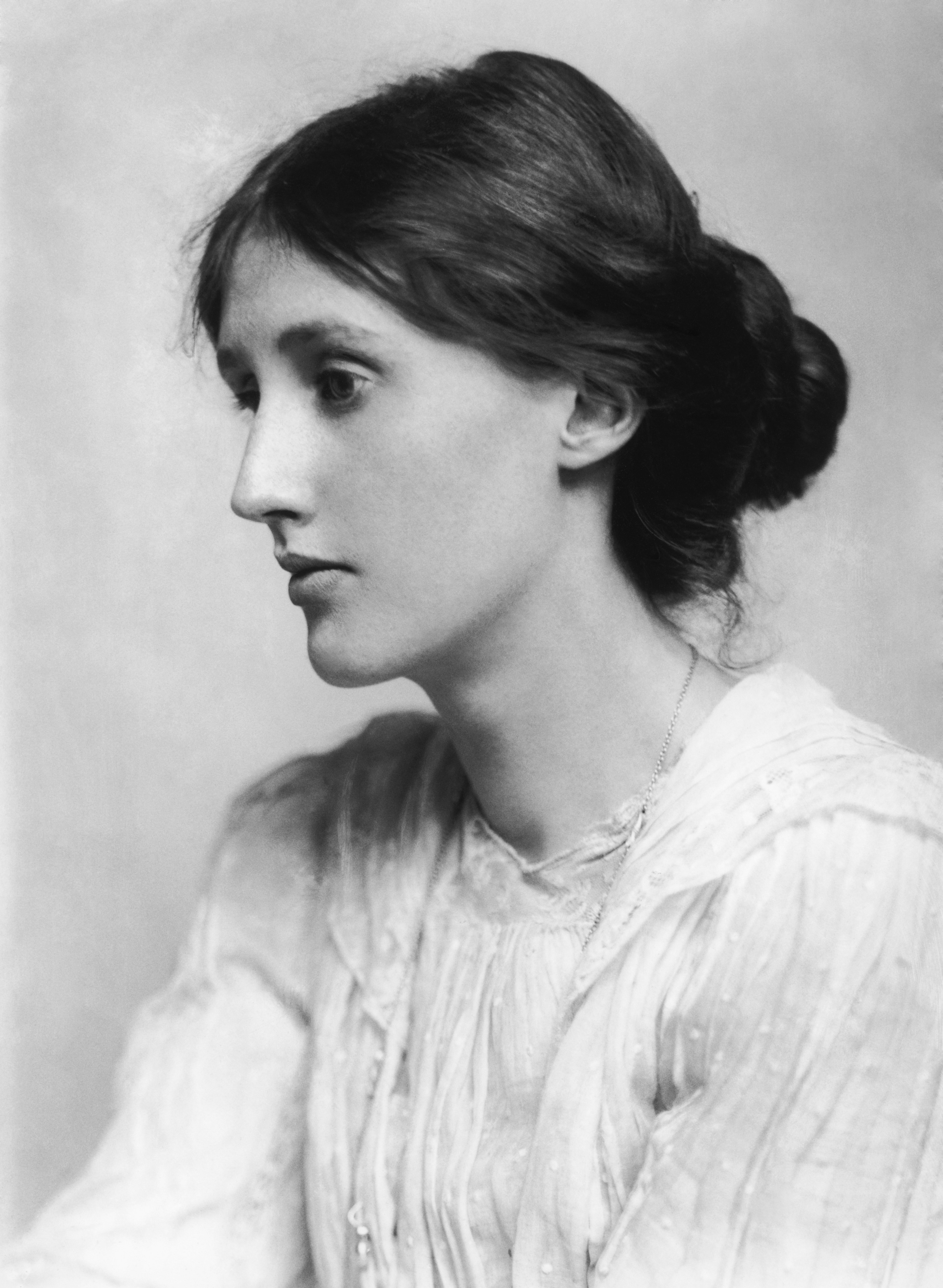
    I’ve been getting teary-eyed lately thinking about the great askers in history, our Galileos, Hypatias, Wollstonecrafts, Woolfs. It moves me profoundly, how questioning has incited every movement to remake and renew.

    Knowledge, like water, seeps through citation, conversation, and the quiet generosity of people who share what they’ve made. The digital age didn’t invent that impulse—it just revealed how ancient it was. Copyists in monasteries, scribes at their tables, scholars passing marginalia hand to hand: they were already practicing open access, one leaf at a time. Preservation depends on circulation: a text survives because it’s passed along.

    The archive’s great secret is that it wants to be read.

  • Marginalia, 6: On the Doubt

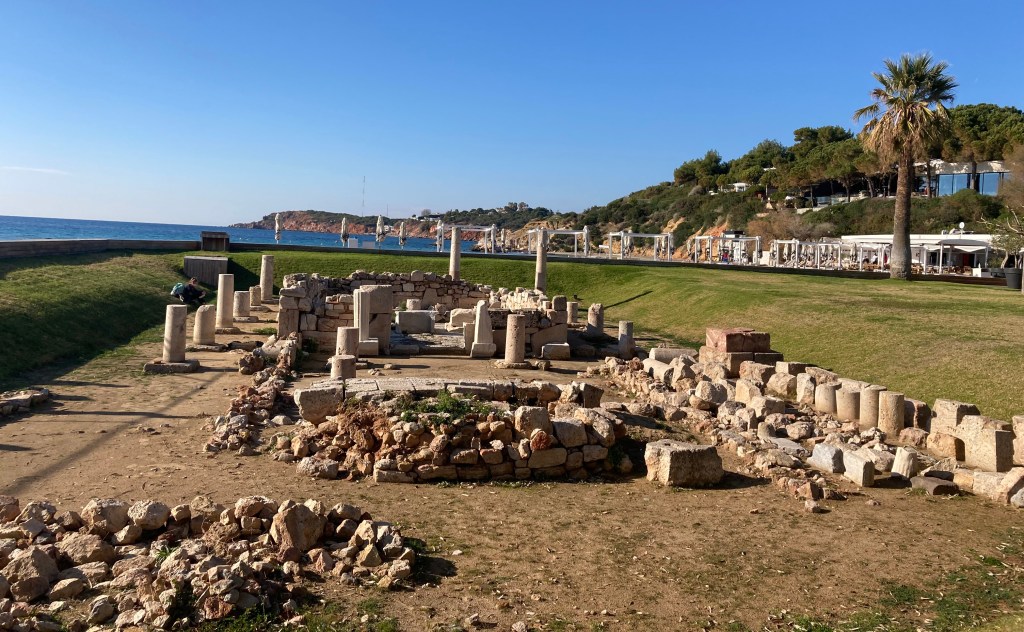
    Temple of Apollo Zoster in Vouliagmeni, photographed near the excavation where I worked in 2022—my first experience of how much patience the ground demands. Author photo.

    The trouble of big projects isn’t the beginning, when the spark of the idea sustains you, nor the final stretch, when you have the promise of closure and the satisfaction of naming what you’ve completed. It’s the middle, at least for me. The quiet question arrives: is this worth the hours, the labor, the limited energy I have? I wonder whether I’m still uncovering something. Every metric, every dataset, every traced line starts to blur.

    That question finds me somewhat often—when a script won’t compile, when a line refuses to resolve, when a day’s tracing yields nothing new. It’s never some dramatic collapse, just a slow thinning of conviction.

    I used to take that as failure, as proof that I wasn’t cut out for long projects or that real scholars didn’t feel this way. But doubt, I’ve learned, is part of the method. It means I’ve reached the part of the work where certainty would be dishonest. Projects that matter eventually resist you—they stop confirming your brilliance and start asking what you actually believe in.

    Doubt is the test of whether the initial fire was real. To stay with something is the difference between driven and devoted. Ambition wants progress; devotion wants presence. The work I trust most emerges from that quieter side of the self, the kind that endures even without visible reward.

    When I’m in that fog, I do two things. The first is find milestones to celebrate and share; that’s a major function of the APEX Updates series. The second is think about field archaeologists in the trench. Most days, you don’t find anything spectacular. You scrape, record, bag, label, and go home covered in dust. Perhaps you down some Advil if the ground was especially uncooperative that day. (I’ve been there.) Meaning comes later, when the layers are mapped and the fragments aligned.

    The paradox of discovery: the ground never tells you you’re close.

    If Marginalia 3 was about the spark that begins a project, this is about what happens when the spark dies down. To keep going is to trust in slow revelation. That’s what this phase is: not failure, not even frustration, but the apprenticeship to patience.

  • Marginalia, 5: To the First-Semester Student

    I get it. I was you. You’re nervous about starting college, and fair enough: who knows if this is going to be the right place for you?

    Chances are, you’re not going to be the perfect student. You won’t always love the assignments, but you’ll come alive in the margins—tracing things back, asking your own questions. You’ll get some praise, sure—but also enough silence and uncertainty to make you doubt your footing. College is hard: your GPA is probably not what it was, but that can be one of the best things to happen to you. You hopefully learn other ways of measuring growth, and you’ll meet people who see what you’re made of even if the transcript doesn’t.

    In time, you’ll find your people. It takes a while, but when it clicks, it really clicks. Play your cards right, and you’ll get something that feels like home: gathering mentors who consistently go to bat for you, friends who see the long game, and a self that doesn’t fold.

    No one ever quite knows how they keep landing on their feet. But somehow, most do—through some mix of the grace of others and a resilience of their own.

    You won’t always see the shape of what you’re building while you’re in the middle of it. But stay with it. Something durable, and fitting, is finding its way toward you.

    With affection,

    T

  • Marginalia, 4: On the Self in the Method

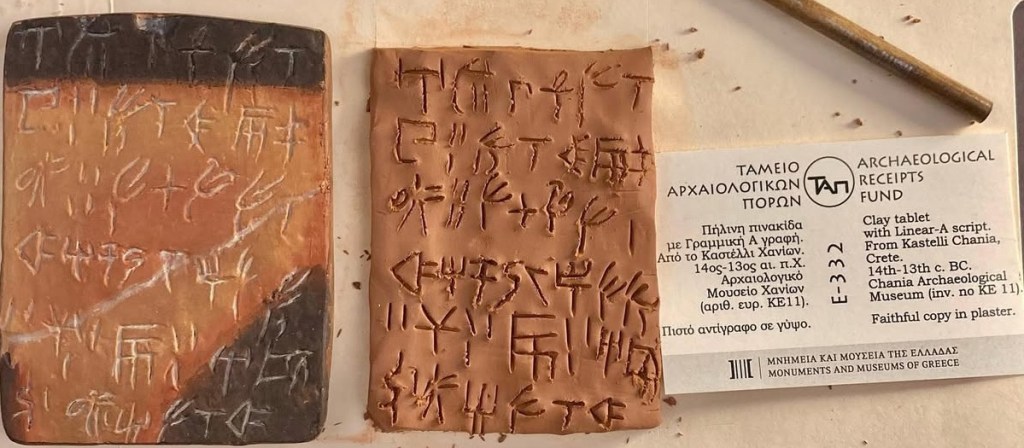
    Replica Linear A tablet, incised by hand in cheap air-dry clay during my first experiments with ancient writing practices and materiality—an exercise in learning through making.

    I’ve come to think of method less as a set of tools than as a kind of temperament: a composite of instincts, tolerances, pleasures, and refusals. What I reach for first—what I avoid, or delay—says as much about me as any personality test ever could.

    My research temperament is structured by two main drives: one towards depth and the other towards care. I’m drawn to slow practice—hand-tracing inscriptions, line-by-line translation, annotating with attention. I like to feel what a text is doing in context, on the object, in the curve of the letter. I start at the center and work outward. This drive isn’t just intellectual—it’s emotional. It’s about fidelity to the thing at hand, a form of care that undergirds both my method and my ethics.

    Care, for me, shows up as both method and ethic. When a topic feels especially resonant—diaspora, language loss, archival absence—I become meticulous, sometimes overly so. I revise and rework because I want to honor the stakes. And when I know others will read it—colleagues, strangers, professors—I feel a sense of responsibility that sharpens everything. It comes from a wish to think it through with integrity.

    That same temperament—the mix of care and depth—also shapes how I move through time. My pace is uneven. I tend toward long stretches of saturation—reading twenty books at once, letting ideas percolate—punctuated by sudden bursts of output, where everything connects at once. My brain is highly associative and lends itself to this kind of work. Texts imprint themselves. I’ll remember something I read a decade ago—exactly where, on which page, in what margin. But that same connective capacity can make writing difficult, especially academic writing, which demands resolution. I resist closure. I prefer the bracket, the margin, the slow unfurling of something not yet finished. That’s part of why this blog exists. It’s a place to let the incomplete still mean something.

    Which is to say: method reveals more than habit. It discloses a relation to uncertainty, to audience, to delight. If someone looked only at my notes, my file structures, my markups, they’d see an unusual mix of chaos and precision. They’d know I’m curious, restless, attentive. But they might miss the joy. The methods reflect care—but it’s here, in the writing, that joy becomes legible. That’s a method, too.

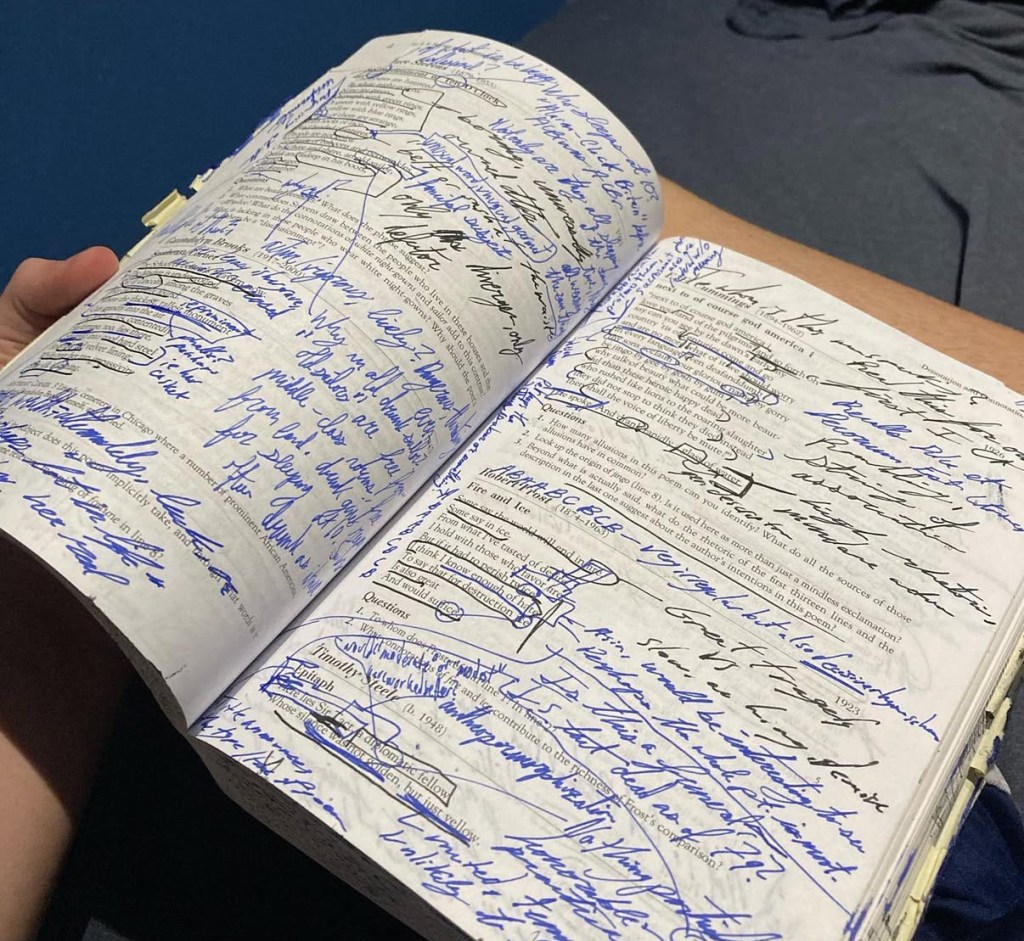
    The annotation style; certainly a choice.
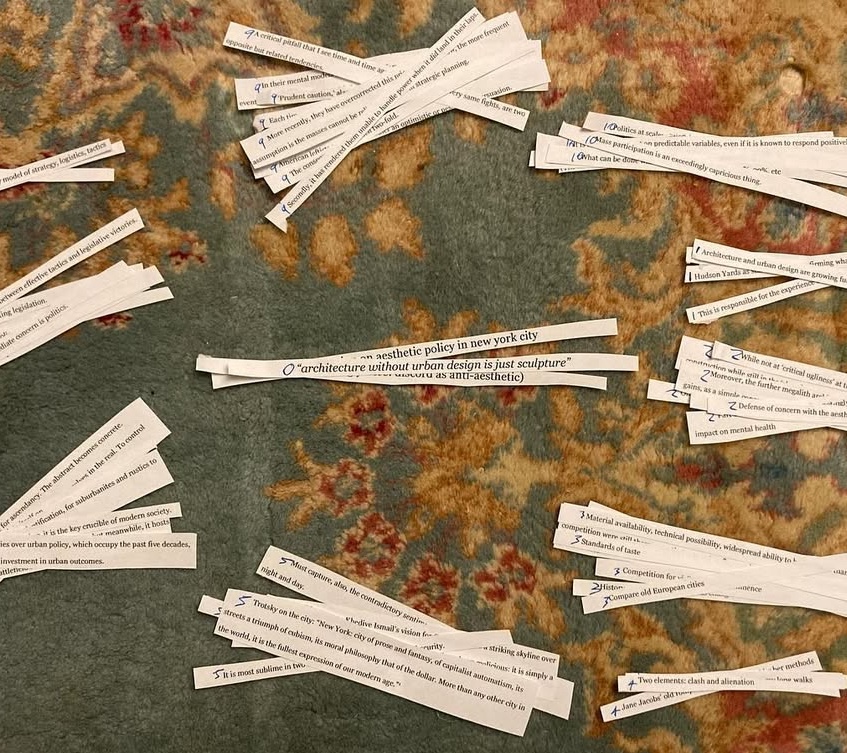
    The writing process: tear it to ribbons.
  • Marginalia, 3: On Ambition

    Ambition is slippery, often suspect. And still, I think about it all the time, as a structure: something that shapes the arc of my work, and the conditions of its possibility. What I want isn’t fame or visibility; it’s to mean it when I speak and act.

    For me, ambition is a kind of scope. It’s not about ascent but coherence. I want to go deep, yes, but I don’t think depth is possible without breadth. Otherwise, you miss the long roots, the outer edges, the forces that frame what you’re doing. In short, you miss the world. Ambition, then, is the drive to situate things well—to push not just further, but outward, so that the work holds under pressure.

    Still, it’s not just intellectual. Praise complicates things, and I’m not immune to the personal dimensions of it. I can feel something shift when praise becomes internal validation rather than an external confirmation that I’m on the right track. That’s when I know I’m drifting—not toward ambition, exactly, but away from the version of it that serves me best. Real ambition, I think, has far more to do with one’s own awe than other people’s approval. It’s the feeling that more is possible—and that you are capable of honoring that possibility, at least partially.

    That said, I don’t moralize ambition. It’s not a vice to strive. What matters is what you’re striving toward, and I organize my life around that striving. Not because I want to become a certain kind of person—ambition as self-stylization doesn’t appeal to me—but because I care about what the work might do for the world. I want to make tools, ask questions that last, and help other people do the same.

    I don’t talk about this much. Who do I think I am? I’d rather let the work speak for itself. But I don’t think ambition needs to be claimed aloud to be real. If it’s there, it shows—quietly, in what gets built, in what gets revised, in what refuses to settle for just being good enough. That inner flame doesn’t need announcing—only tending.

  • Marginalia, 2: On Diaspora and Scholarship

    Diaspora means a scattering—but not just away from. It’s also a scattering into: people of yours wherever you go. There’s dislocation in that, but also a strange kind of belonging. You’re never quite at home, but also never entirely foreign. We are at home wherever we are, as the Jewish Bundists say.

    I come from the Armenian diaspora. Much of the history I now hold came to me late, in fragments I had to gather myself. So much so that when my family went to Armenia for the 100th anniversary of the genocide, I misunderstood the purpose of our trip. I didn’t yet know what had been left unsaid. I learned the truth online months later. A strange inheritance: delayed, then all at once.

    That moment formed something in me—something about responsibility, memory, and the ethics of knowing. I now see myself as a banner-carrier of the diasporic experience—not just for Armenians, but in solidarity with all displaced and fragmented peoples. Diaspora isn’t a single story but a way of listening, noticing, and asking better questions.

    Ironically, none of the languages I study are mine. I never learned Armenian. I was meant to attend an immersion program in Yerevan in 2020, but it didn’t happen for the obvious reasons. The language now feels like an island—real, reachable, and still far away. It’s typologically unusual and hard to access. And emotionally, I’ve kept it at a distance—not for lack of interest, but for fear of doing it harm.

    Still, the connection shows up. It’s in the care I bring to other people’s histories, in my reverence for displaced traditions, in my work with Semitic languages—speech communities so often marked by rupture. I haven’t yet studied heritage material from my own background, but I carry the stakes of diasporic scholarship into every archive. Distance doesn’t cancel care, it clarifies it.

    My sense of scholarly ethics—especially around archaeology and epigraphy—grows directly from this. I believe in repatriation, in collective self-determination and the right of communities to steward their past. Yes, nations are imagined, but so are all our systems of meaning. So long as national identity structures the world, its claims must be taken seriously.

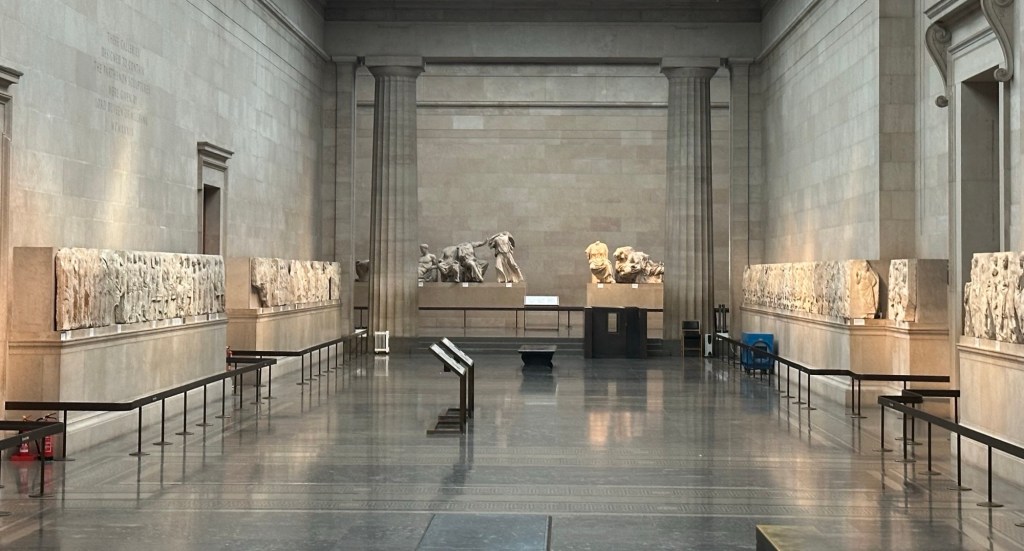
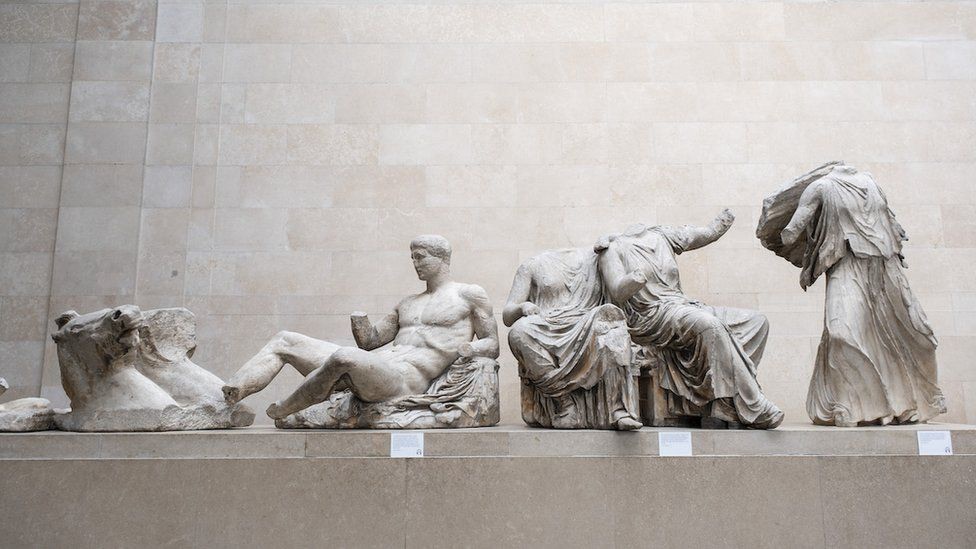
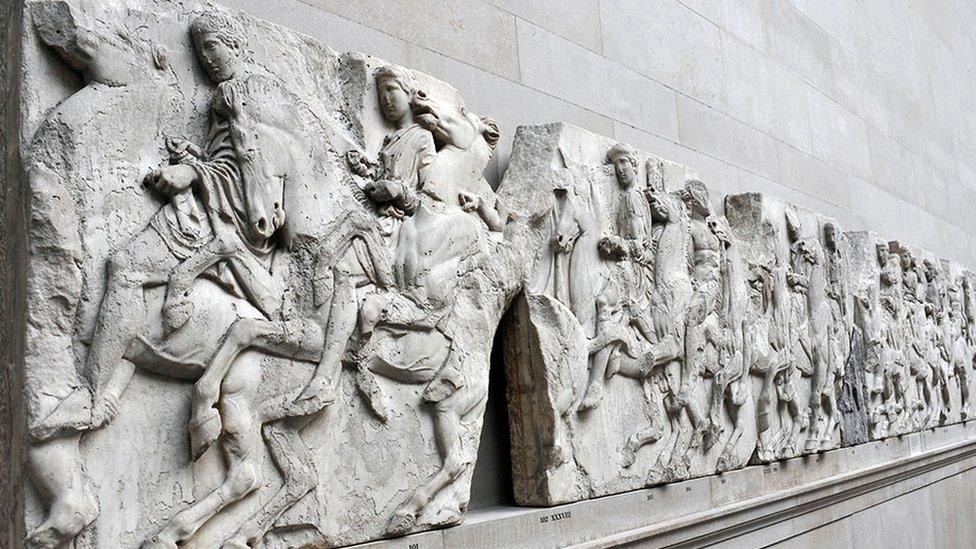
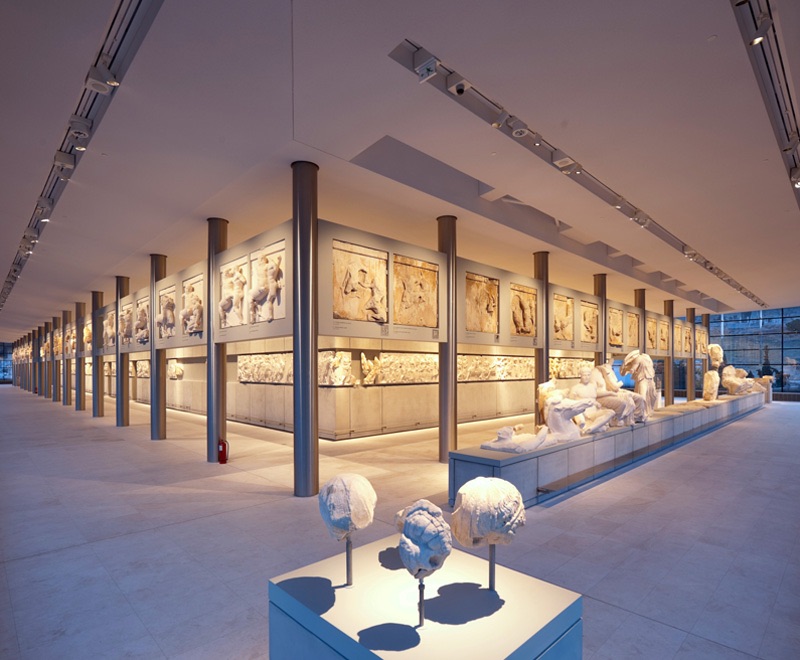
    Museums, of course, complicate things. Scattering brings both access and erasure. Greek artifacts in London, Mesopotamian seals in New York—these too live in diaspora. There’s value in broader visibility, especially for those who can’t travel. But there’s loss, too: of voice, of sovereignty, of situated knowledge. I think about this often. I haven’t resolved it.

    I don’t just want a life in the library. I want antiquity to be for everyone. I want the past to feel shared, common, alive. I want to show people that our inheritance—linguistic, cultural, intellectual—is truly ours. The more we realize that, the more fully we can meet the present. That’s the gift of diaspora: a way of being scattered that still insists on connection.

  • Marginalia, 1: On The Texture of Dead Languages

    Marginalia, 1: On The Texture of Dead Languages

    I’ve long wondered what it was about ancient languages—as opposed to modern ones—that so captivated me. For more than half my life now (21 years long), they’ve been at the center of my intellectual and emotional world. I’ve done much internal archaeology on this, and here’s where I’ve landed.

    What first drew me to ancient languages wasn’t beauty, or history, or even mystery—this much I knew. But I’ve figured it out, after much reflection: it was structure. At age ten, I was told that Latin had a “very mathematical” nature—and I had a very mathematical mind. That was the pitch that won me over when I was choosing between French, Mandarin, Spanish, and Latin in fourth grade. My friends—older kids who knew me from our accelerated math class—urged me to choose Latin. “It works the way you do,” they said.

    From the beginning, I had a knack for it. Parsing Latin felt like solving elegant equations: all those declension and conjugation charts, the case endings, the tightly constructed sentences. I found the clarity of it deeply satisfying. It’s also what got me into etymology, many a linguist’s bridge into the discipline. I was thrilled to learn that words, and thereby language itself, had discrete histories we could uncover and unlock.

    And, to be honest, I was also avoiding something. I’ve had a lifelong fear of being wrong—especially out loud. The thought of sounding like a toddler in French or Mandarin mortified me, even at that age. Ancient languages, by contrast, required no vocal performance—or at least none you could be substantially corrected on.2 As Mary Beard wrote, it’s a tremendous freedom to read a language without needing to order a pizza in it.

    But beyond the safety of silence and the comfort of structure, ancient languages offered me something stranger and deeper. They are, paradoxically, both rigid and wild—formally inflected, syntactically unruly. Their rich systems of agreement allow a kind of grammatical anarchy. That contradiction fascinated me. And then, there was the sheer alterity: the profound otherness I was only beginning to grasp. These languages came from far away—across centuries and empires—and they had nothing to do with me.

    What I didn’t expect was how intimate they would feel. There’s something magical about reaching across time and space to hear men (alas, mostly men) from millennia ago speak. I feel, in some small way, like I’m raising the dead (see blog title!), giving voice to what was nearly lost. There is mystery in this, in the impossibility of perfect translation, in the silence that always remains. But there is also joy. Sitting at a wooden table, poring over ancient texts with comrades-for-a-semester, I’ve never felt isolated. If anything, I’ve felt surrounded—by the dead, yes, but also by other living readers, deep in the muck of it all.

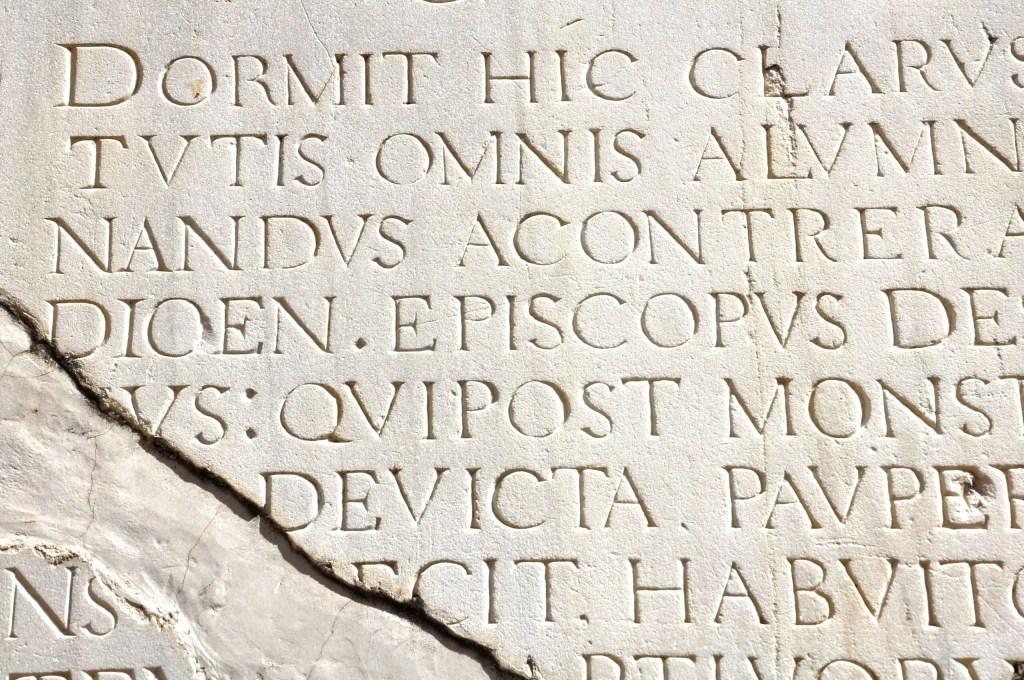
    Inscriptions are my great love: language not filtered through scribes or stylists, but carved directly, once, and then cast into the abyss memoriarum. To read an inscription is to hear a voice that was not supposed to last this long. It reminds me that people have always been this way: strange, familiar, brutal, kind, just like us.3 That realization has made me a softer person, I think. More attuned. You can’t spend your days in conversation with the past—and with the people who help you interpret it—without becoming more human.

    There’s also a tension I feel—quiet but insistent—between my deep love of ancient languages and my commitments to the present. Studying the dead can sometimes feel like retreat: a kind of sequestration in the library, the archive, the ivory tower. And yet, this is also the work that sharpens my ethics. It’s by looking at the long arc of language, power, and survival that I’ve come to understand how political language always is—what gets written down, whose names are preserved, whose voices fade. So while it might look like I’m hiding in the past, I don’t think I am. I’m studying the structures that built the world we live in now—and learning how fragile, and how remakeable, those structures are.

    It’s changed the questions I ask, too. I no longer want to know only what words mean, or what they do. I want to know how they came to be. Who made them. Why they changed. What pressures they both buckled under and resisted. That’s the kind of inquiry ancient languages have trained me for.

    Lately, though, something has changed. For the first time, I’m stepping away from silence. I’m learning a living language—French—and it’s bringing all kinds of old fears and new questions to the surface. But that’s a story for next time, once I’m deeper in it.
    1. To the point I got internet-famous for being a budding particle physicist, which got me invited to labs and observatories around the world, including NYU’s, Columbia’s, and CERN, home of the Large Hadron Collider. ↩︎
    2. After a while, you remember that a Latin “v” is pronounced [w], silly as it sounds aloud. [wɛni widi wiki] just doesn’t hit like [vɛni vidi vit͡ʃi]. ↩︎
    3. Read some of the archaic Theran graffiti (pp. 22-25 of this paper) if you want to see that teenage boys have, in fact, always been teenage boys. ↩︎

  • Introduction (Pinned)

    Introduction (Pinned)

    Welcome to To Wake the Dead — a public research journal by Theo Avedisian.

    I study linguistics & archaeology at NYU, where I also run the League of Linguistics. I’m interested in how ancient languages and scripts evolve—how they’re shaped by material practices and continue to speak across space and time. This blog is a place for me to think aloud and document as I work across Greek, Akkadian, Latin, Phoenician, and French; build tools for studying writing systems; and reflect on the messier, more personal side of learning things slowly and deeply. Generally a record of mind, not of life.

    All writing and research shared here represent my own independent work and views. They are not reviewed, endorsed, or representative of any institution with which I am, or have been, affiliated.

    If you’re new here

    These are a few posts that capture both halves of my project—how I think about things and what I’m trying to build.

    Personal reflections:

    Research & method:

    Series

    The Tritropic Line
    Reflections on reading Homer’s Odyssey in three languages—Greek, French (Bérard), and English (Loeb series, Murray). This combines language study and comparative poetics with the slow joy of close reading.

    Tablets and Tribulations
    A record of my work with Akkadian, of which I’m now in my third semester. Named with as much reverence as chagrin.

    APEX Updates
    This is about my current research project on alphabetic transmission and paleography—mostly Greek and Phoenician. It includes progress notes, technical experiments, and the occasional map or dataset that cooperates. More process-oriented than the dedicated project site.

    Adventures in Materiality
    Here I document my experiments in carving, molding, inscribing, and replicating artifacts. The work is messy, and that’s the point.

    Linguistics for All
    Posts rooted in the events and conversations I help organize, especially through the NYU League of Linguistics. A mix of accessible theory, reflections on public linguistics, and notes on language’s role in community.

    Tools of the Trade
    Every so often, I write about a tool that has helped me read, write, map, or parse. This could be a corpus, a piece of software, or just a clever work-around I’ve devised. One upcoming project: online flashcards of Latin terms found in inscription commentary, making corpora more accessible for non-specialists.

    The Close Read
    Wherein I do a deep dive into a piece of literature, though some nonfiction as well. A fair bit of poetry, as it lends itself to my style.

    Marginalia
    A space for stray thoughts, reflections on studying dead languages as a living person, and the emotional archaeology that sometimes comes with long-term projects.

    This site is where I work in public—testing ideas, gathering feedback, and learning how attention itself becomes a method. Thanks for reading.

    —T

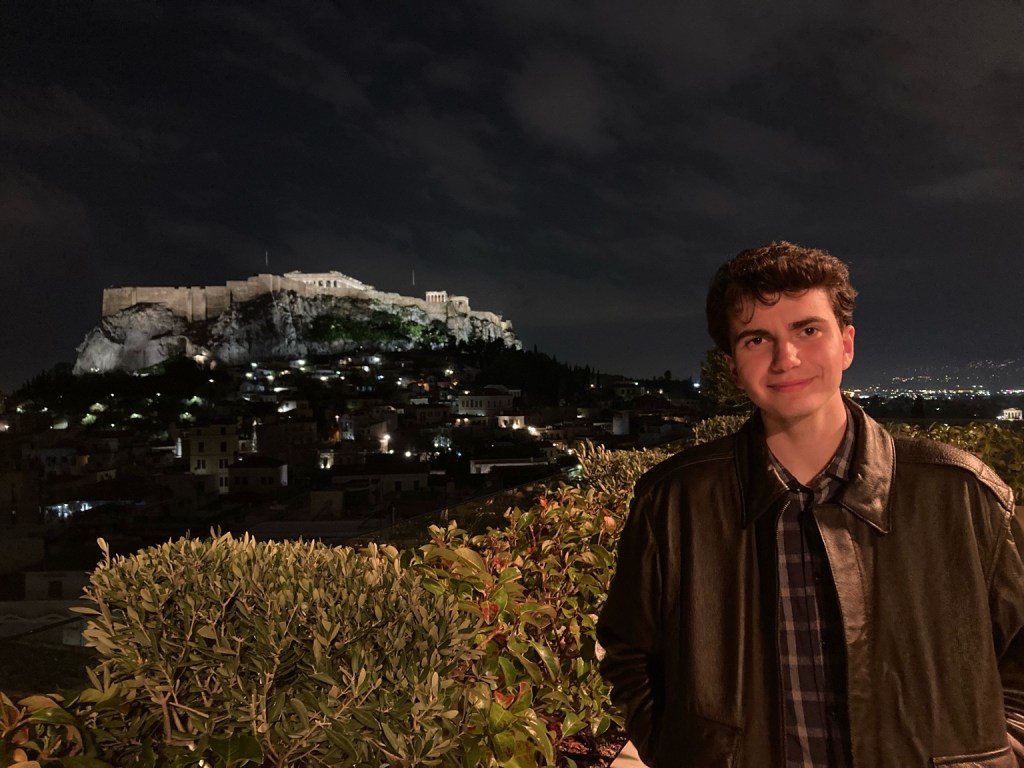
    Picture: Athens, 2021. Birthplace of my epigraphic obsession.