One of the most frequent pieces of advice given to undergraduates is: “network.” But for students in the humanities—especially those who want to study ancient languages, inscriptions, or museum work—that advice often feels vague, awkward, or transactional. This is definitely a conceptual hurdle that I’ve had to overcome.
This post is my attempt to reframe that word into something more grounded: building relationships, but not performatively. Rather, I strive to do so through shared questions, good conversations, and sustained curiosity. I’m not an expert on this at all, but I’ve built a small but meaningful network of scholars who know what I care about, who challenge and support me, and who have helped shape the work I do. This is how I’ve approached it, and what I’d tell someone starting out.
Start Local, Then Reach Out
The best place to start is with the people at your own institution. NYU, being so big, has been a wonderful place for this—with 60,000 students and some 6,000 instructors, it’s a goldmine for people who know what they’re talking about.
But the following advice applies to any school. Go to office hours. Take professors’ classes—not just because the syllabus looks good, but because you’re genuinely interested in how they think. Even if the class isn’t squarely in your area, getting to know the professor might lead to mentorship, research opportunities, or simply perspective you didn’t know you needed. I talked about this in the last post, but it can’t be stressed enough.
Before going to office hours, do your homework. I usually read at least two of a professor’s articles in advance—preferably recent, but not necessarily—and do a deep first pass early on, then a quick skim again right before the meeting to refresh my memory. I come with questions not just about the content, but about the field: how did this approach emerge? What debates is it part of? What’s happening at the edge of this subfield right now, and who’s leading it?
If someone you’d like to connect with isn’t at your institution, email is a powerful tool—when used well. Keep it short, be deferential, have a clear purpose, and make it easy for them to see how they can help. Mention a mutual contact if you have one, such as if they were in the same PhD cohort as a professor at your school or have a student from your undergrad program in their graduate school. However, even a lighter connection—“I came across your work while reading X’s article on…”—can do a lot. You can also ask for an introduction from a professor, but I’ve even gently-warmed cold emails have worked just fine for me.
Follow Up (without Hovering)
It’s easy to get caught in the anxiety of “now what?” after a good meeting or email exchange. My best advice: space it out. A thank-you email goes a long way, especially if you reference something specific they shared. After that, I keep a simple handwritten list of who I’ve contacted, what we discussed, and whether they asked me to follow up.
If you’re working on a long-term project—like my alphabet transmission project, APEX—then sending a short update every month or so when you hit a milestone is a great way to keep people in the loop without overwhelming them. Scholars are busy. Respect their time; this lets you build a slow, steady relationship.
Bring Something to the Table
This doesn’t mean showing off. It means coming into conversations with curiosity and initiative. If you’ve had an idea while reading someone’s work—an application, a parallel, a method they might not have used—bring it up gently and frame it as a question. “Have you ever tried applying X to your corpus?” can be a meaningful way to signal that you’re not just a reader, but a thinker too.
One of the best questions I’ve learned to ask: “Are there any scholars or articles you’d recommend I look at to get a better sense of the field?” When you’re in multiple disciplines, the literature is bottomless. A suggestion from someone experienced can save you weeks of guesswork—and deepen the conversation at the same time.
Use Clubs and Events to Build Connections
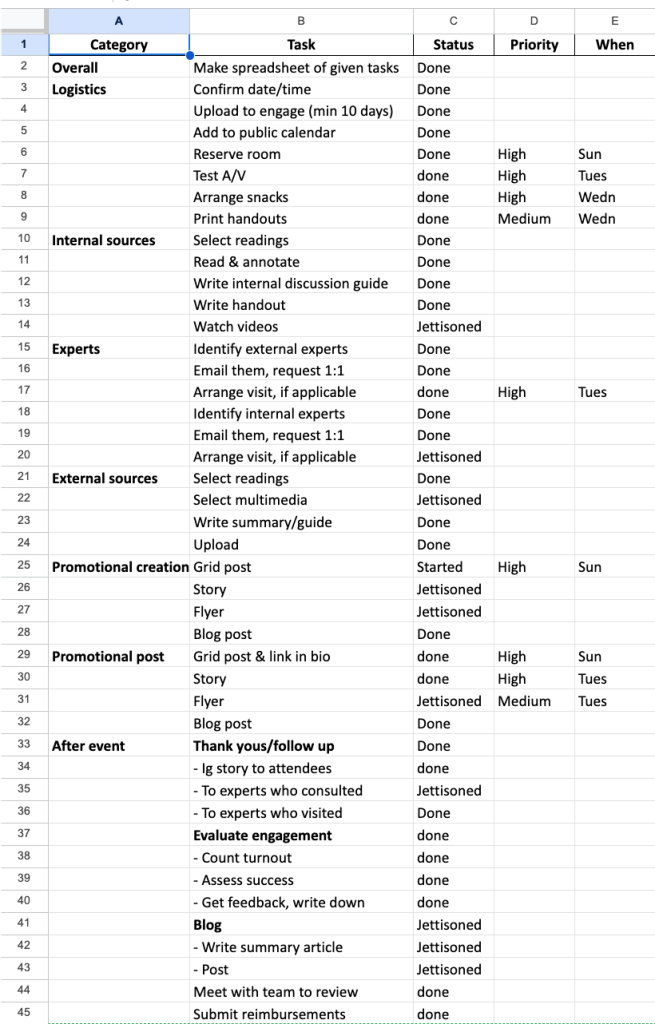
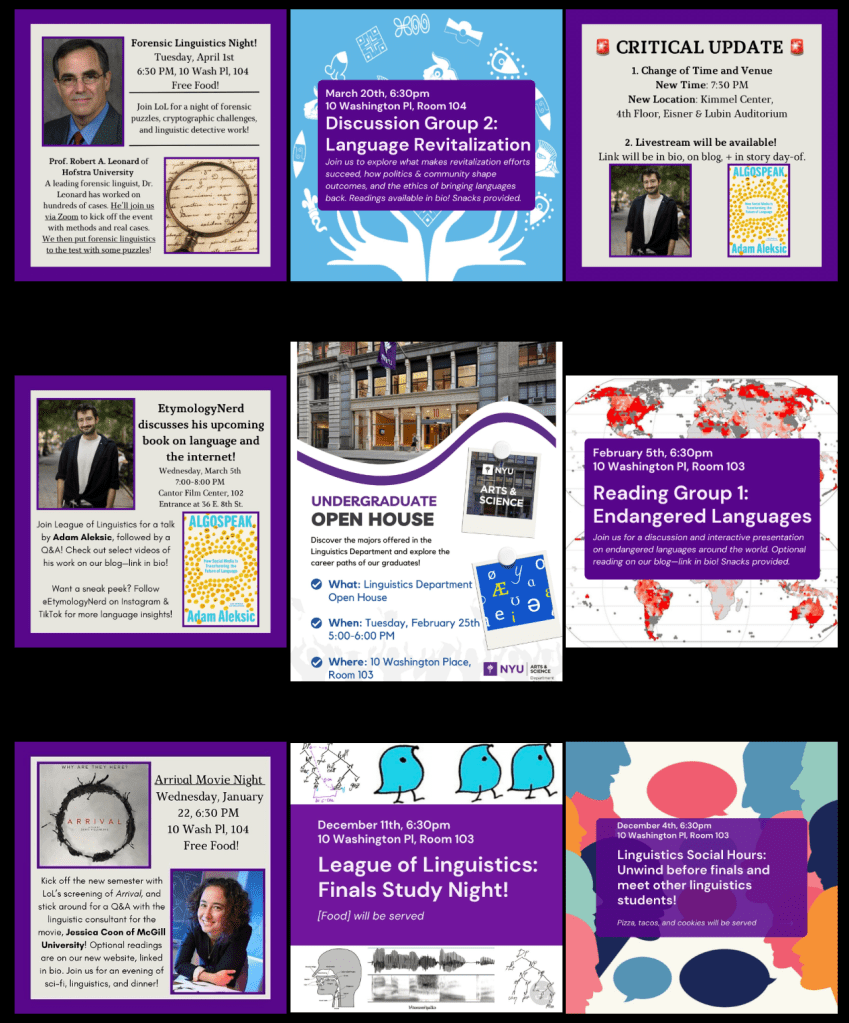
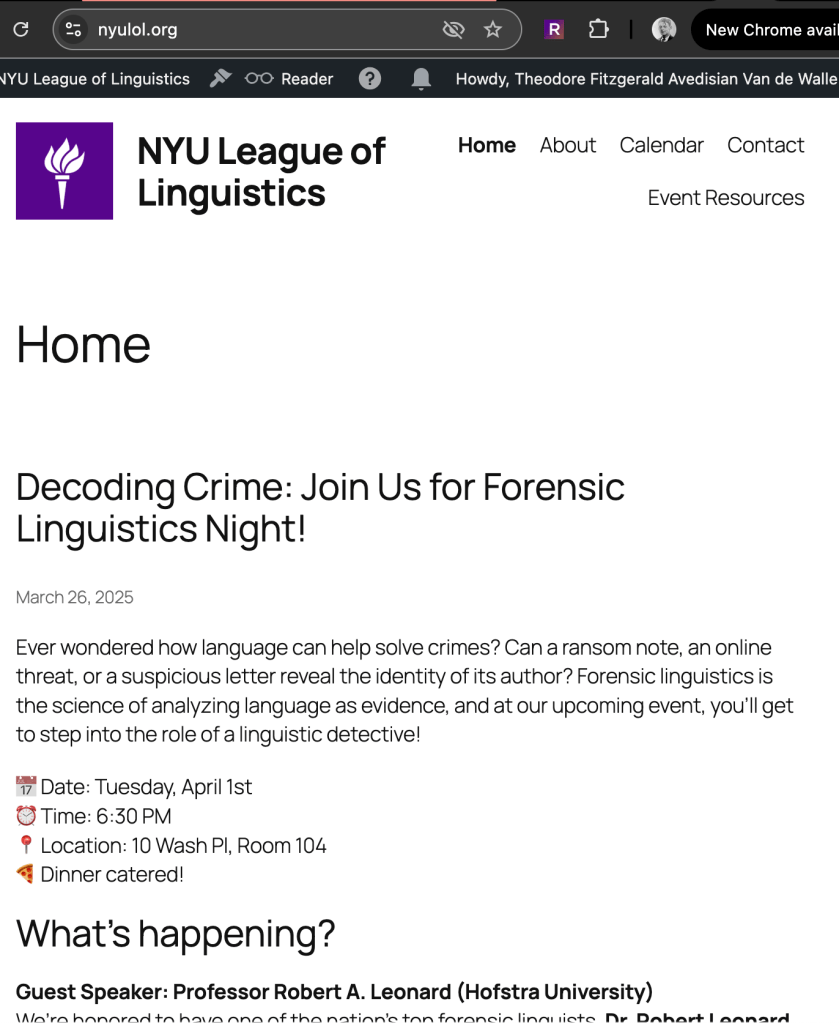
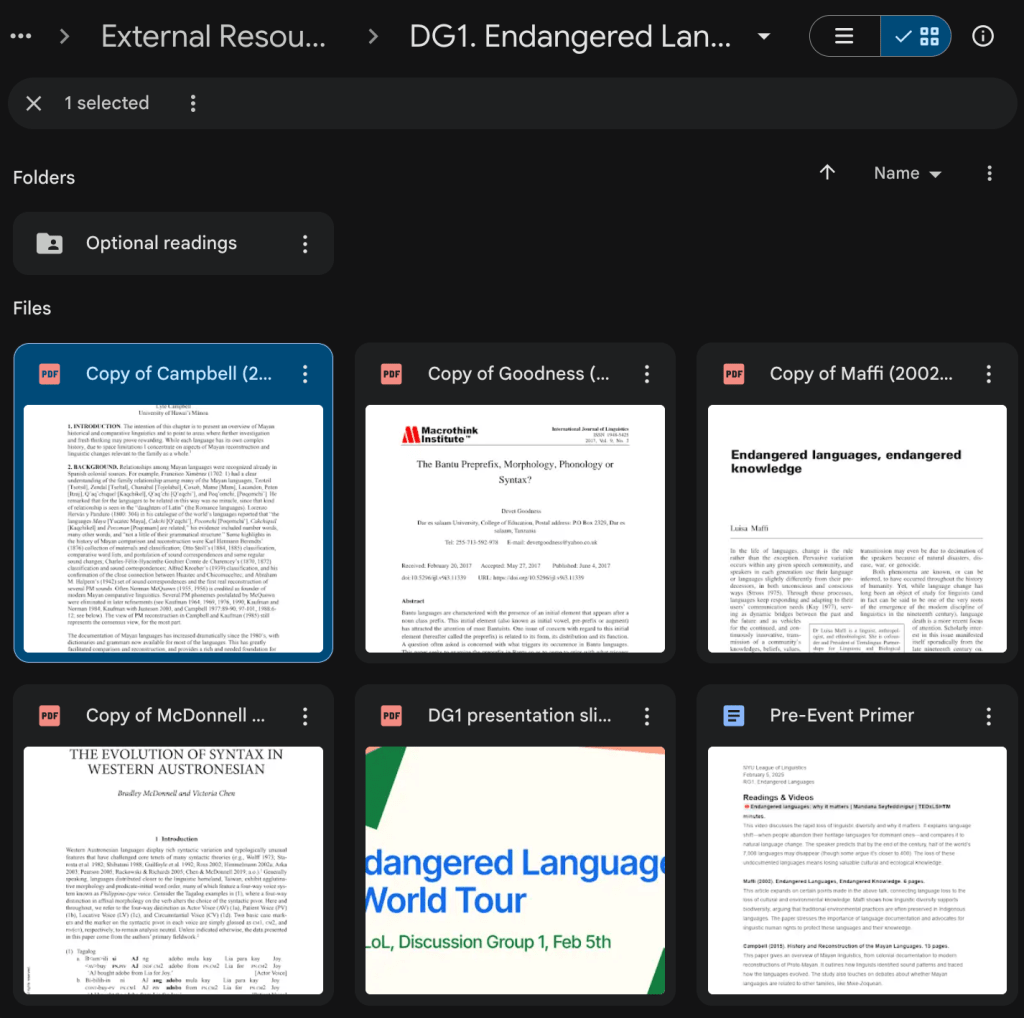
One of the unexpected benefits of running the League of Linguistics is that it’s allowed me to reach out to scholars in a semi-official capacity. If you’re organizing an event, moderating a panel, or just planning a syllabus, you have an excuse to email someone you admire—not for yourself, but on behalf of a community. Sometimes they’ll help. Sometimes they’ll become contacts down the line.
Just make sure you’re doing this in good faith. The event should serve your members first. But if it opens up a conversation with someone you’d like to work with, that’s a bonus worth nurturing.
Know What You’re Asking For
Always have a purpose when reaching out. Want to talk about their recent article? Ask for feedback on a related idea? Get advice about graduate programs? Whatever it is, make it clear in the first few lines. Don’t make them guess what you want. And don’t send them a novella. Long emails are a fast way to get ignored—not because professors are rude, but because they’re busy, and clarity is a form of respect.
At the same time, everyone’s different. Some scholars love a detailed intro. Others would rather get three lines asking for a Zoom call and figure out the rest in conversation. When in doubt, start concise—and adjust based on the cues they give you.
Etiquette
Until you’re told otherwise, when you’re in undergrad, always address someone as Professor Lastname. If they sign off with initials, play it safe. Only switch to a first name if they clearly invite it—either in their signature, or later in the conversation. Respect for titles isn’t just about hierarchy—it’s about showing that you’ve taken care in reaching out.
And if they don’t respond? It’s okay. Let it go. Especially if they’re at another institution, or heading multiple research projects, or simply overwhelmed, it’s not about you. If the connection’s meant to grow, you’ll have other chances. If not, trust that others will say yes. I’ve found academics on the whole to be extremely generous with their time, resources, and knowledge. You’ll find your people.
Final Thoughts
The best conversations I’ve had didn’t come from trying to impress someone; they came from being honest about what I care about, what I don’t know, and what I’m trying to figure out. Humility, curiosity, and gratitude are perhaps the most winning combination—especially when you’re early in your career. You don’t need to have all the answers, you just need to be a person worth talking to again.
And one last thing: projects help. If you’re working on something—an independent research blog, a digital tool, a language revitalization game—it gives you a way to reach out that feels natural, not forced. “I’m building something, and I thought of you” is often a more compelling opener than a plain “Can we talk?”
If you’re trying to build up these kinds of contacts, I hope this helps. If you’ve already started, I’d love to hear what’s worked for you. And if you’re not sure where to begin—reach out. I’m still learning too.


















 To Wake the Dead