Tag: Ancient Greece

  • APEX Updates, 2: What is the Transmission Problem? A Brief History of My Research Question

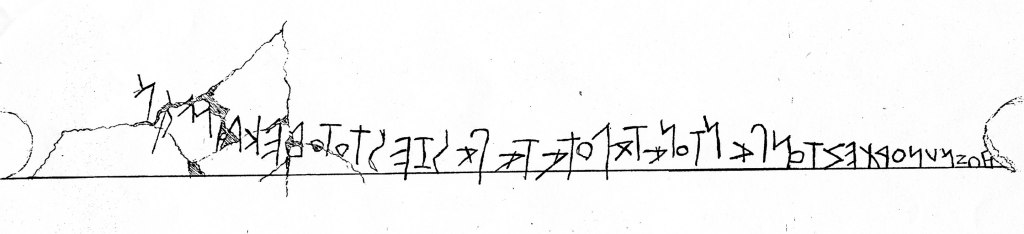
    If the first APEX post was about tracing letters, this one is about why those traces matter. Underneath every variant alpha or eccentric epsilon is a deeper question: when, how, and under what conditions did the Greek alphabet emerge from its West Semitic predecessor? This question, which is known in the scholarship as the transmission problem, lies at the core of alphabetic studies, and despite over a century of scholarship, it remains fiercely contested. To map alphabetic transmission is not just to track graphical similarity, but to reckon with how cultures borrow, adapt, forget, and reimagine the systems by which they make language visible.

    At its simplest, the transmission problem asks: When did the Greeks adopt the Phoenician script? But the real terrain is messier. Did the transfer happen once or multiple times? Was it sudden or gradual? Coordinated or ad hoc? Which region of the Greek-speaking world was first? Exactly which Semitic script was the donor—or was there a confluence of models? And what kind of evidence—linguistic, paleographic, archaeological—should we privilege when our sources conflict?

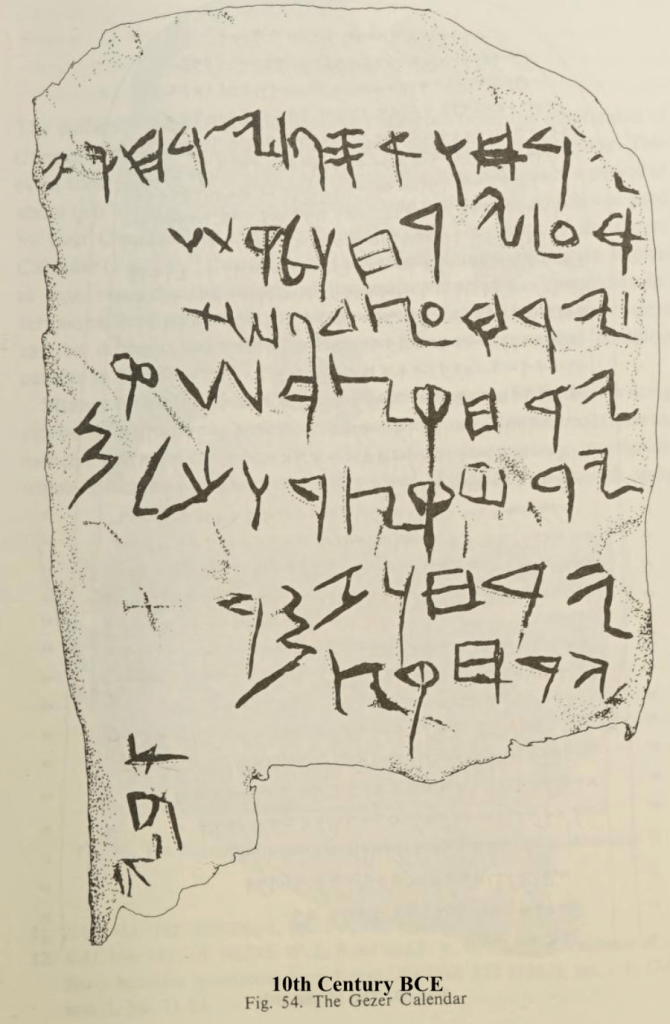
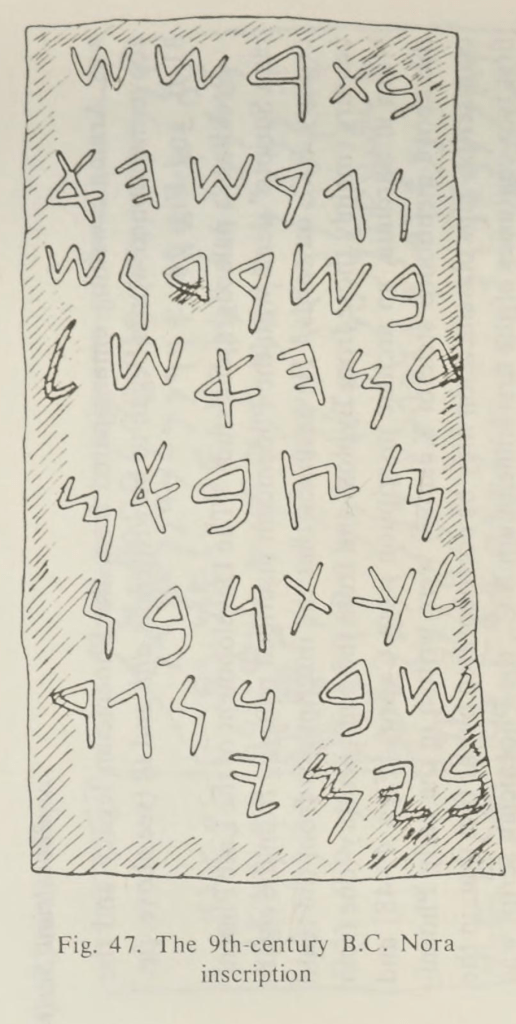
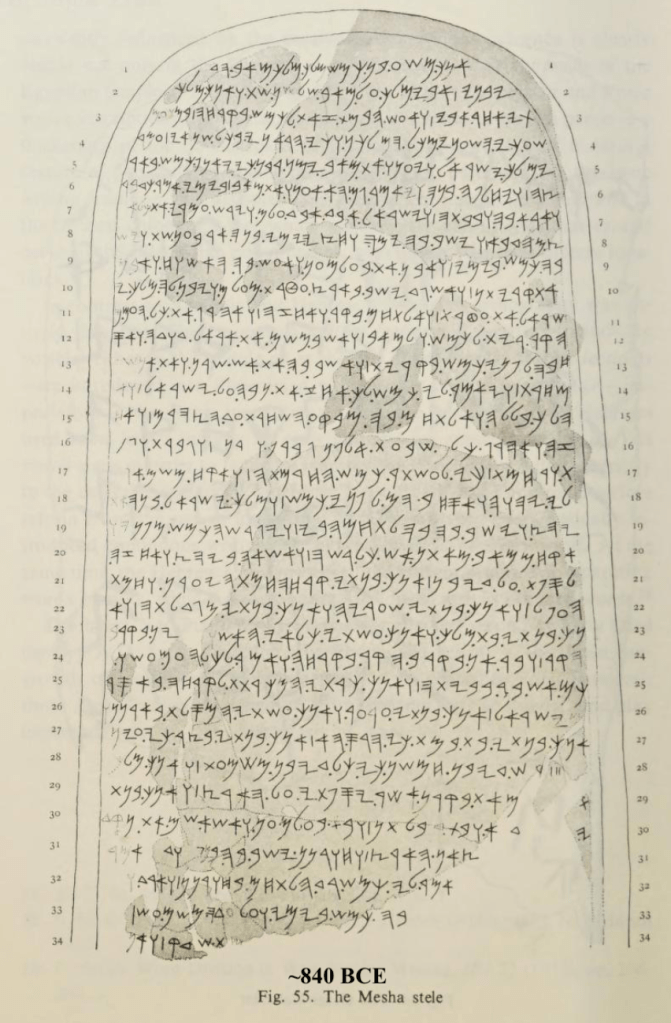
    Historically, the debate has followed disciplinary lines. Scholars trained in Semitic philology and Near Eastern studies tend to favor a high date for the transmission: sometime in the 11th or 10th century BCE, before the traditional Greek Geometric period (in older scholarship, referred to as the “Greek Dark Age”). This camp emphasizes the strong formal similarities between early Greek and Phoenician letterforms, arguing that Greek epichoric scripts most closely resemble Phoenician forms from around 1050 BCE, not the later shapes one would expect if transmission occurred in the 8th century. Joseph Naveh, for instance, in his landmark Early History of the Alphabet (1982), argued that the Greek system must have branched off before major innovations appear in the Phoenician script, such as the angular mem or evolved forms of shin. Naveh saw the Greek alphabet as a snapshot of an earlier Semitic system—evidence, in his view, of early contact and early borrowing.

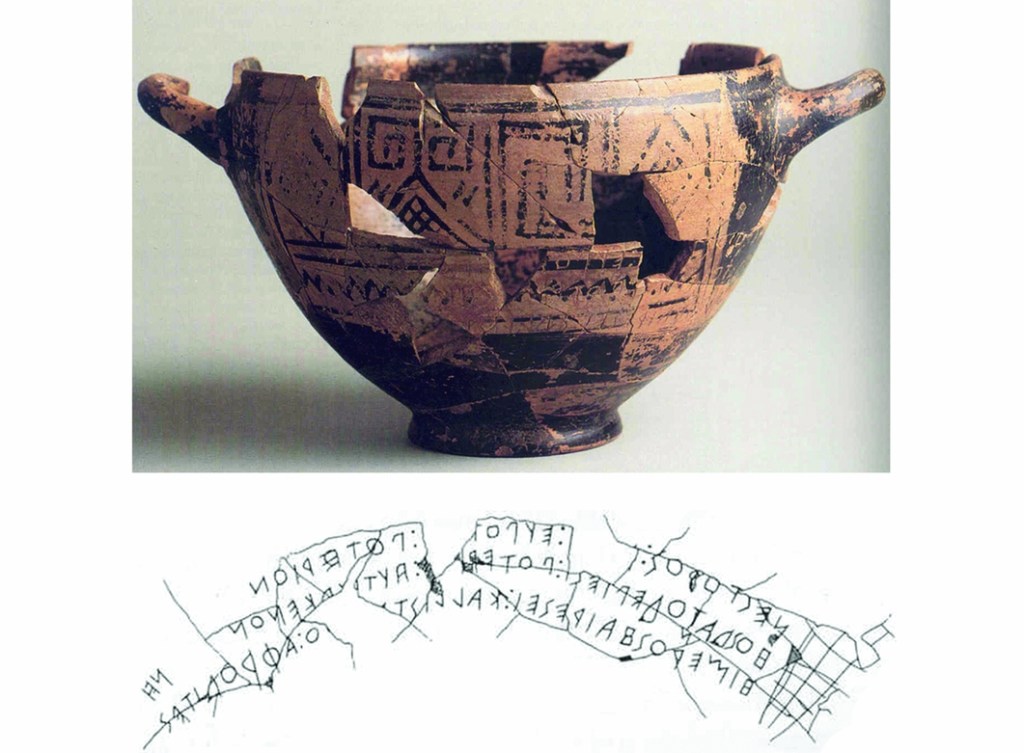
    On the other side of the debate, Classicists and archaeologists tend to argue for a low date, favoring the 8th century BCE. Their reasoning draws primarily from stratified archaeological contexts: the earliest securely datable Greek inscriptions—such as the Dipylon oinochoe and the Nestor’s Cup from Pithekoussai—belong to the mid-to-late 8th century. Rhys Carpenter was among the earliest and most forceful voices in this camp. In a 1933 article, he wrote that “the argumentum a silentio grows every year more formidable and more conclusive,” referring to the continued absence of any Greek alphabetic inscriptions predating the eighth century (“The Antiquity of the Greek Alphabet,” AJA 37 [1933]: 8–29, at p. 27). For Carpenter, the lack of material evidence was not a gap to be explained away, but itself a powerful datum: if earlier use had existed, we would likely have found traces by now.

    This school is generally skeptical of typological comparison, pointing out that letterforms evolve unevenly and can be conservative in certain contexts. Archaeological absence, while never conclusive, is taken seriously—especially when paired with the sudden, near-simultaneous appearance of inscriptions across disparate sites in the 8th century, suggesting a relatively rapid uptake of a recently acquired script. Later scholars, such as Barry B. Powell, built on this foundation. In Homer and the Origin of the Greek Alphabet (1991), Powell controversially argued that the Greek alphabet was deliberately invented for the purpose of recording Homeric verse, dating the invention to around 750 BCE. Though widely criticized for its teleology and lack of evidence for such a top-down design, Powell’s theory exemplifies the kind of interdisciplinary crossfire that defines this problem: where linguistic function, archaeological data, and cultural ideology all collide.

    Roger D. Woodard, in Greek Writing from Knossos to Homer (1997), pushed back against Powell while still supporting a relatively late date. Woodard views the alphabet’s adaptation as a process shaped not only by contact with Phoenician traders but also by internal Greek developments—especially the memory of Linear B and broader shifts in literacy practices. He emphasizes the complex interplay between tradition and innovation, seeing the Greek vowel system as a structural solution that could only emerge in a linguistic environment receptive to phonological precision.

    The question remains open, but APEX offers a different kind of approach. Rather than anchoring the debate to a single origin point, I focus on regional trajectories and graphical evidence: how letterforms vary, travel, and settle. If the Semitic party line reads the Greek alphabet as a photograph of Phoenician forms from 1000 BCE, and the archaeological model sees it as an emergent public tool of the 8th century, then I want to understand how specific graphemes move through space and time. Which forms remain stable across centuries? Which mutate rapidly? And what can that tell us about the process of transmission, rather than the moment of origin?

    In fact, the most immediate goal of the APEX project is to evaluate whether the Greek letterforms do, in fact, most closely resemble the Semitic models from around 1000 BCE—as the high-date camp maintains—or if their nearest parallels lie elsewhere in the Phoenician typology. The intention is to move beyond qualitative comparisons and scholarly intuition, toward a quantitative, statistically grounded assessment of letterform similarity. By measuring and modeling these visual relationships systematically, APEX aims to provide a more objective foundation for dating the moment of greatest resemblance between the Greek and Phoenician scripts.

    Rather than jumping straight into letterform similarity metrics, though, the next update will take a detour—one that’s no less crucial. Before the vectors can speak, they must be named, contextualized, and organized. APEX Updates, 3: Encoding Decisions will explore how I’m structuring the metadata that surrounds each traced letter: what counts as “context,” how information is tagged, and why every dataset is also a narrative. As it turns out, deciding how to describe a letter may be just as revealing as deciding how to compare it.
  • Adventures in Materiality, 1: Wax Tablets at Home

    I’ve made a couple of these tablets, experimenting with form and function. I’ve been learning a lot about historical writing surfaces, woodworking, beeswax temperaments, and the tactile oddities of stylus-based writing. Below is a brief history of the form followed by a quick how-to, with some practical notes from my own experiments at the very end. All pictures are my own, except where attributed.

    A History

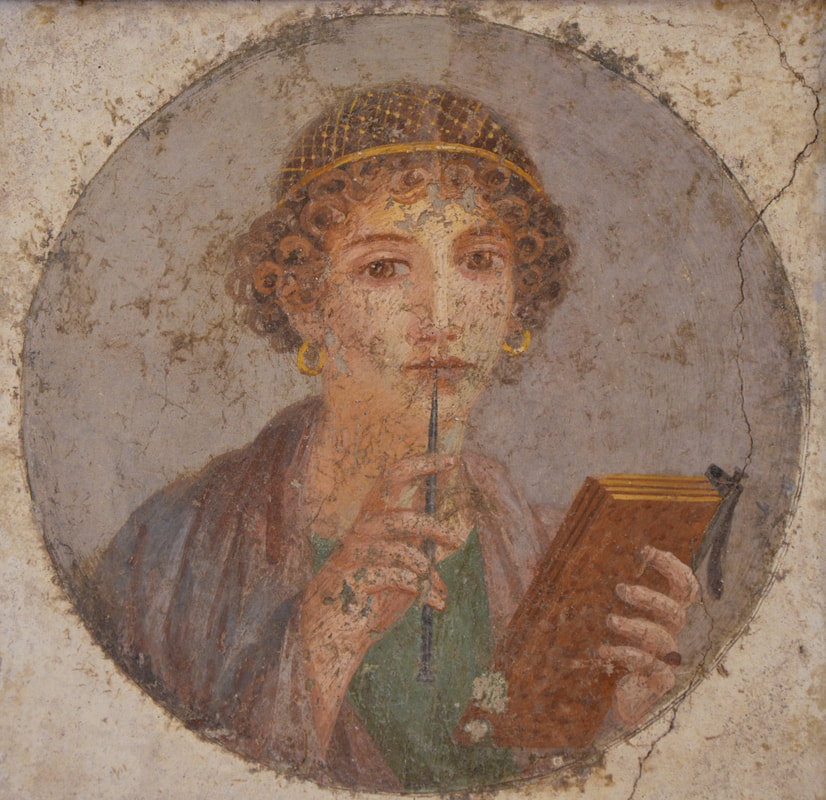
    Woman with wax tablets and stylus (so-called “Sappho”), Fresco, 50-79 CE. World History Encyclopedia.

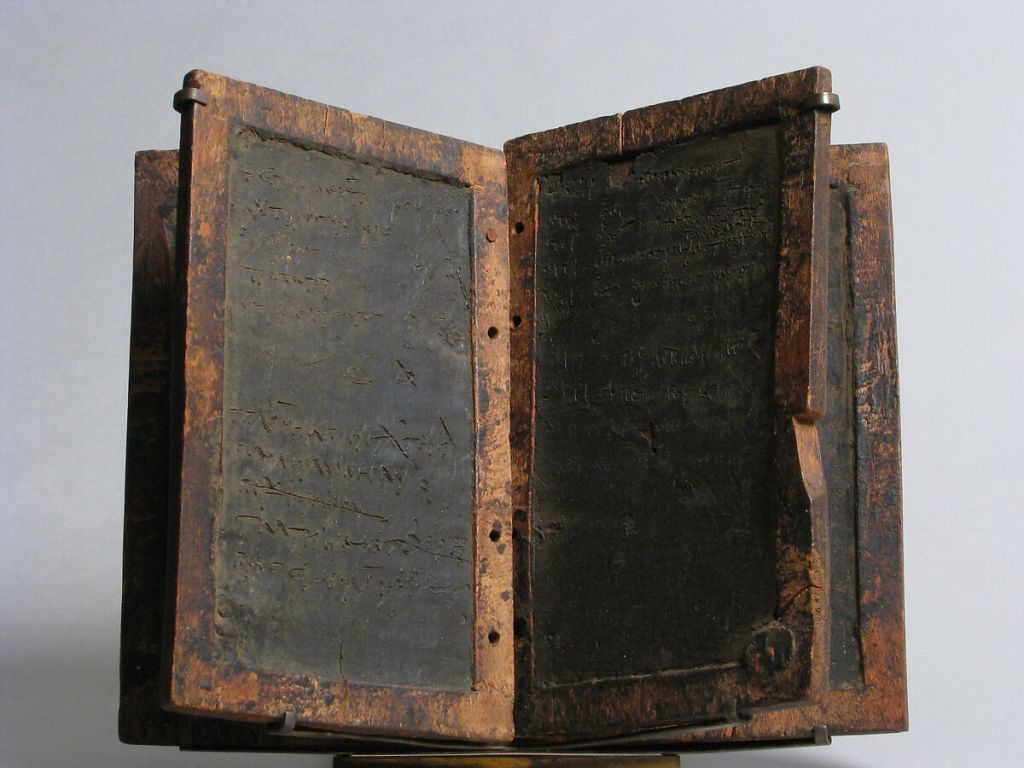
    Wax tablets have roots that go back over three thousand years. Archaeologists have found bronze styli with pointed tips and flat spatula ends in Bronze Age Anatolia, and by the time of the Neo-Assyrian and Neo-Babylonian periods, it’s likely that wax tablets were being used for both cuneiform and the emerging Aramaic alphabet—showing them to be a flexible medium that could adapt to multiple writing systems. From there, the technology spread west via the Arameans and Phoenicians, eventually reaching the Greek world. The Greek word for a wax tablet, δέλτος, is actually a Phoenician loanword—ultimately from the Akkadian daltu, meaning “door.”

    Wooden Writing Tablets, Coptic, 500–700 CE. The Metropolitan Museum of Art.

    They’re particularly fascinating if you’re interested in letter forms. Because the stylus incises the wax, it encourages different motor habits and line qualities: straighter lines, more angular forms, and simpler geometries. That might be part of why early Greek inscriptions on stone look the way they do: the wax tablet was probably the everyday tool behind the scenes, shaping how people thought letters should be formed.

    At the same time, wax tablets allowed for quick, informal writing which makes them a crucial counterpart to the largely composed inscriptions that endured to today—the outcome of the ‘preservation bias.’ These tablets were a bridge between ephemeral thought and durable text, and working with them now offers a glimpse into how alphabets lived before fossilizing on stone.


    How-to

    0. Materials and Tools

    Tablet components:

    • 1 or 2 wooden panels with an inset well (Google “Cradled Wood Painting Panel” to find these)
    • Beeswax (at least 2 lbs to be safe, but adjust for size, naturally; here are the pellets which are on the softer side that I used for second tablet)
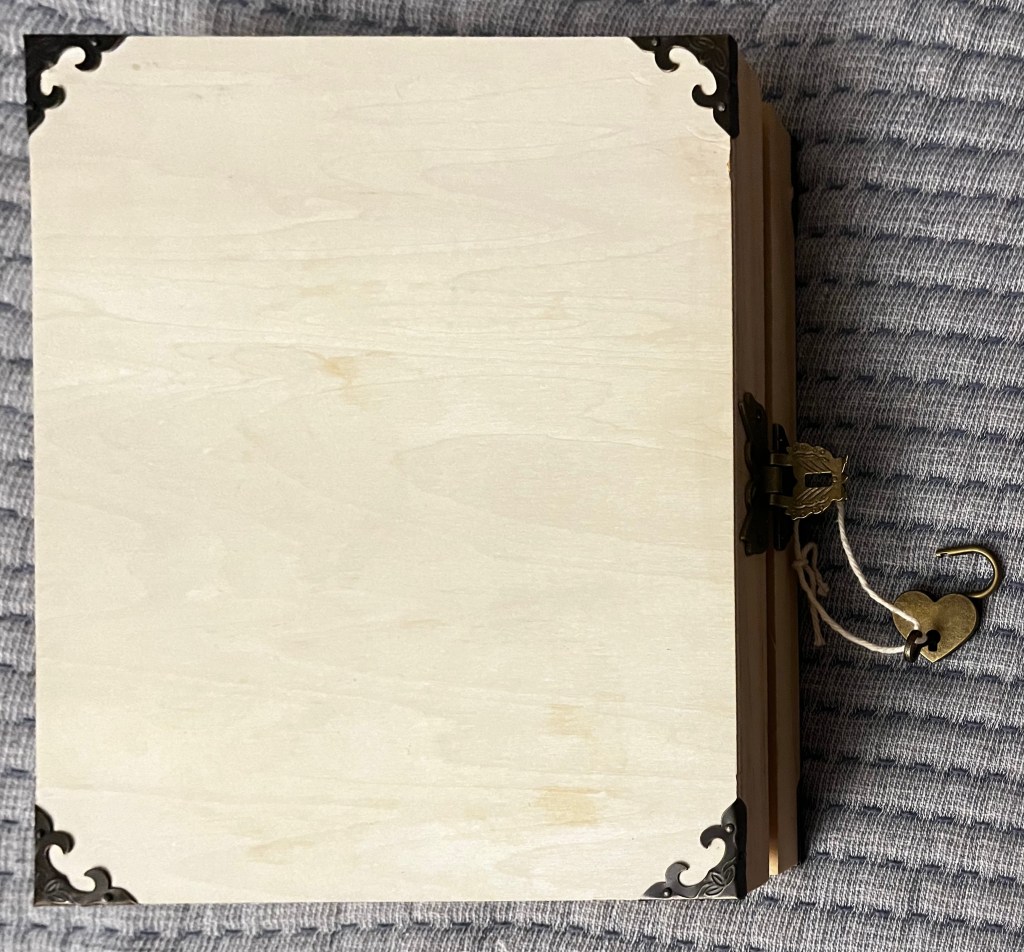
    • Optional hardware (examples that I used on larger tablet linked): closure, small lock with key, corner protectors

    Tools to melt the wax:

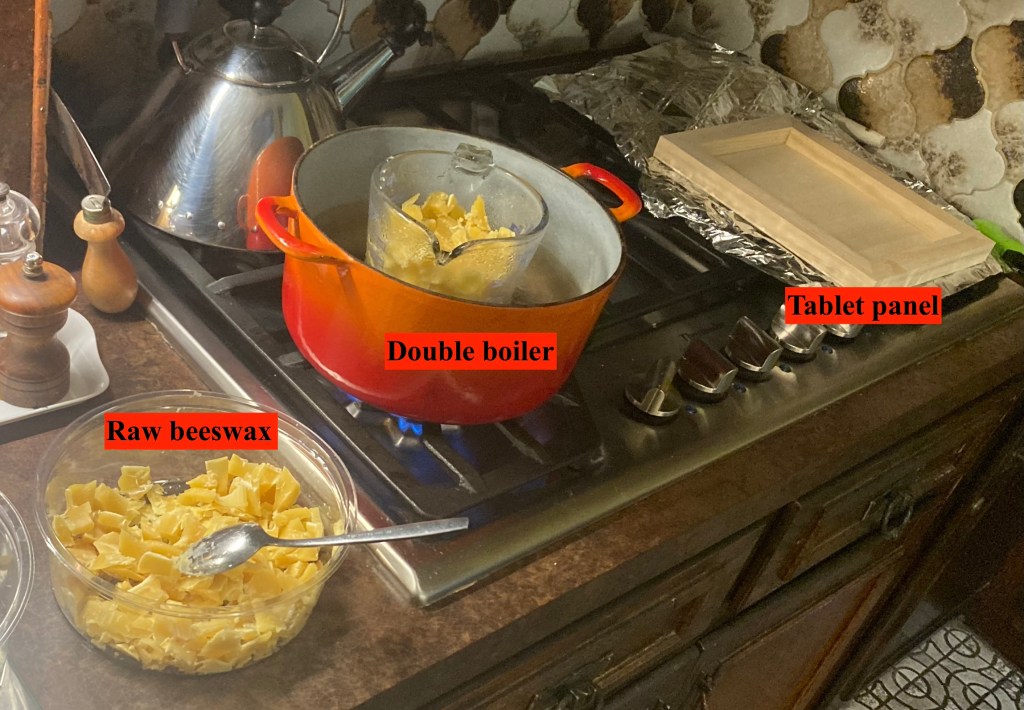
    • Pot
    • Something to melt wax in, ideally a Pyrex measuring cup or a glass bowl that sits atop the pot
    • ~1 liter of water
    • Spoon to mix beeswax as it melts (speeds up the process)

    Specifically for notebook-style tablets:

    • 2 small hinges and screws
    • Screwdriver (and drill if your wood is hard or your screws are large)
    • Ruler, for measuring hinge placement

    For the stylus:

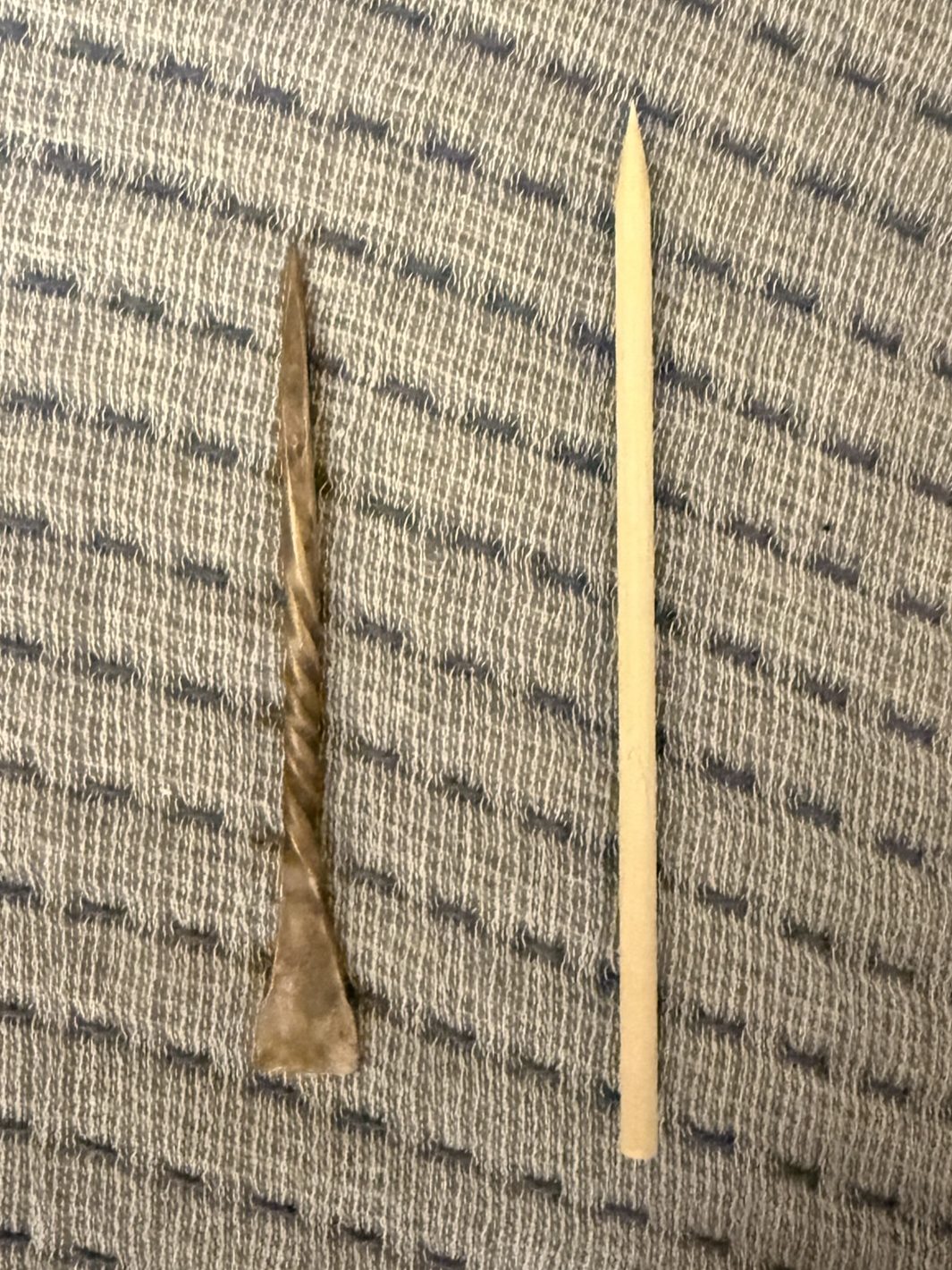
    • A wooden dowel (ideally ~6mm or ¼ inch in diameter, this is most comfortable to hold and is the size of a standard pencil, meaning mechanical/electric sharpeners will be able to handle it)
    • Pencil sharpener or sharp knife
    • Sandpaper, ideally 40 or 80 grit (note: smaller the number, the rougher the grit)
    • Saw to cut the dowel, or strong hands to snap it
    • Optional: you can also just buy a bronze stylus which comes with flat “eraser” end

    1. Prepping the Wax

    First time around, I bought a 2-lb block of beeswax and used a hammer and stone-carving chisel to break it up—doable, but kind of a pain. It was also a hard wax, which made writing more difficult. Second time, I used pre-softened pellets from Amazon (linked in section above)—much easier to melt and work with.


    2. Melting and Pouring the Wax

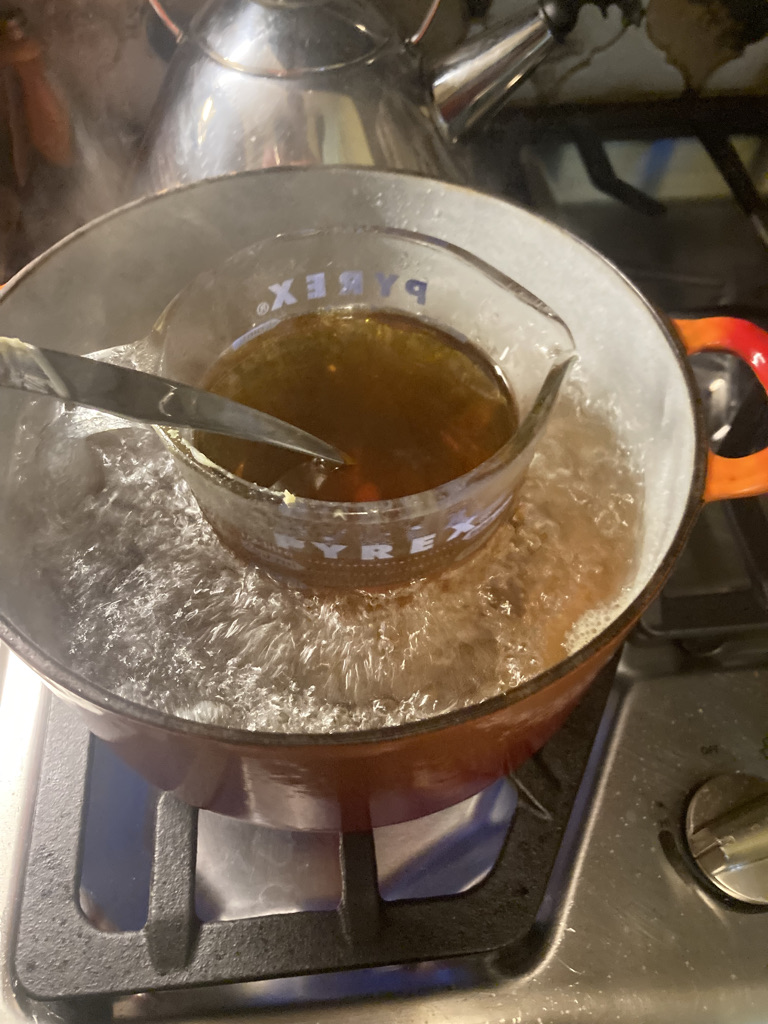
    Use a double boiler setup (I used a Pyrex inside a pot of simmering water). Estimate the amount of wax needed by filling your wooden well with solid wax first, then dumping it into the Pyrex. Add about a third more than this, since melted wax takes up less space. Wait to pour the wax until it is fully liquefied, as below.

    IMPORTANT: Pour continuously! If you pause for even 10–15 seconds, you’ll get visible layers that don’t bond well.


    3. Cooling the Wax

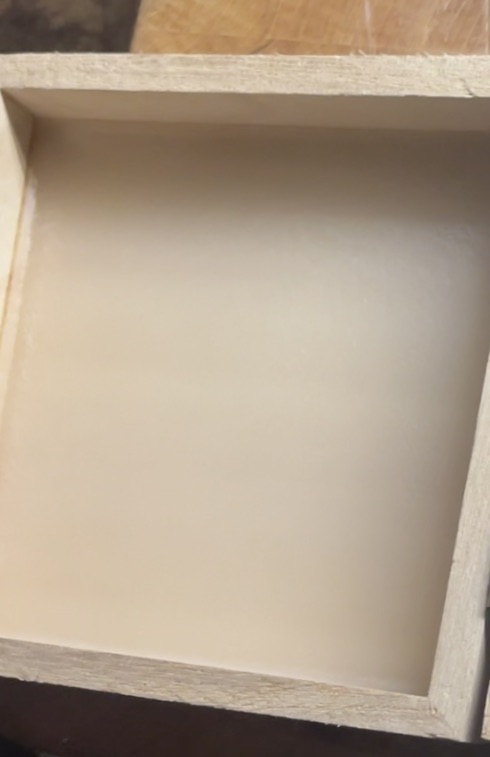
    Let the wax cool on a level surface. You can refrigerate to speed things up—about 15 minutes for a thin layer, but I’d give it 30 minutes to be safe.

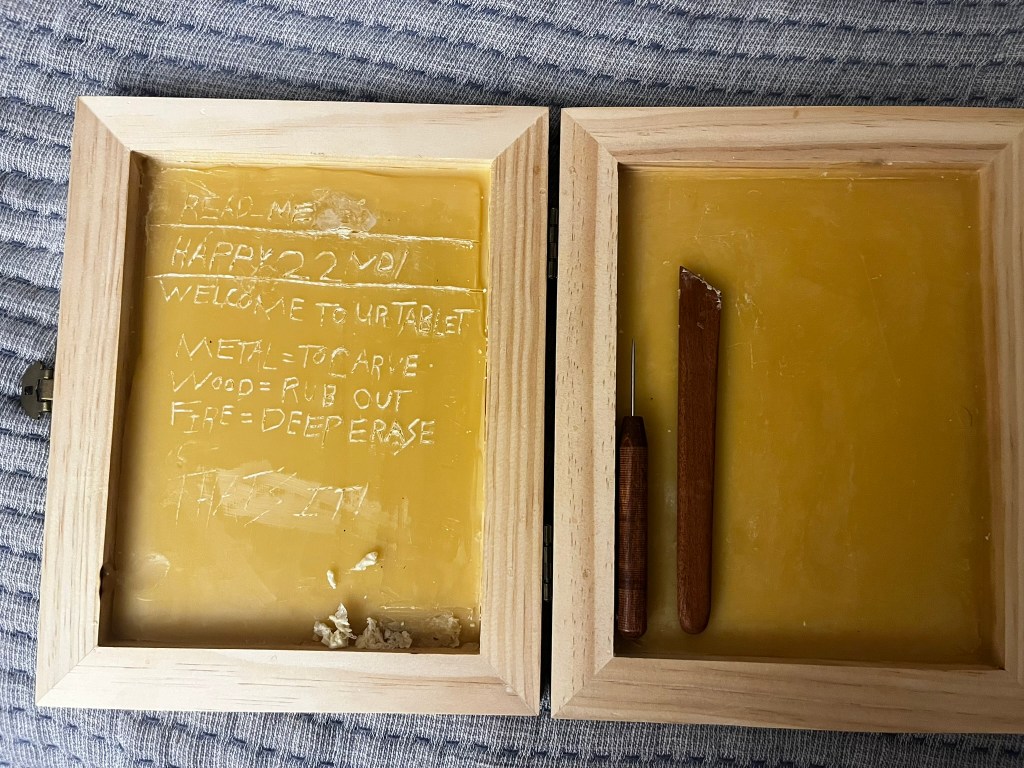
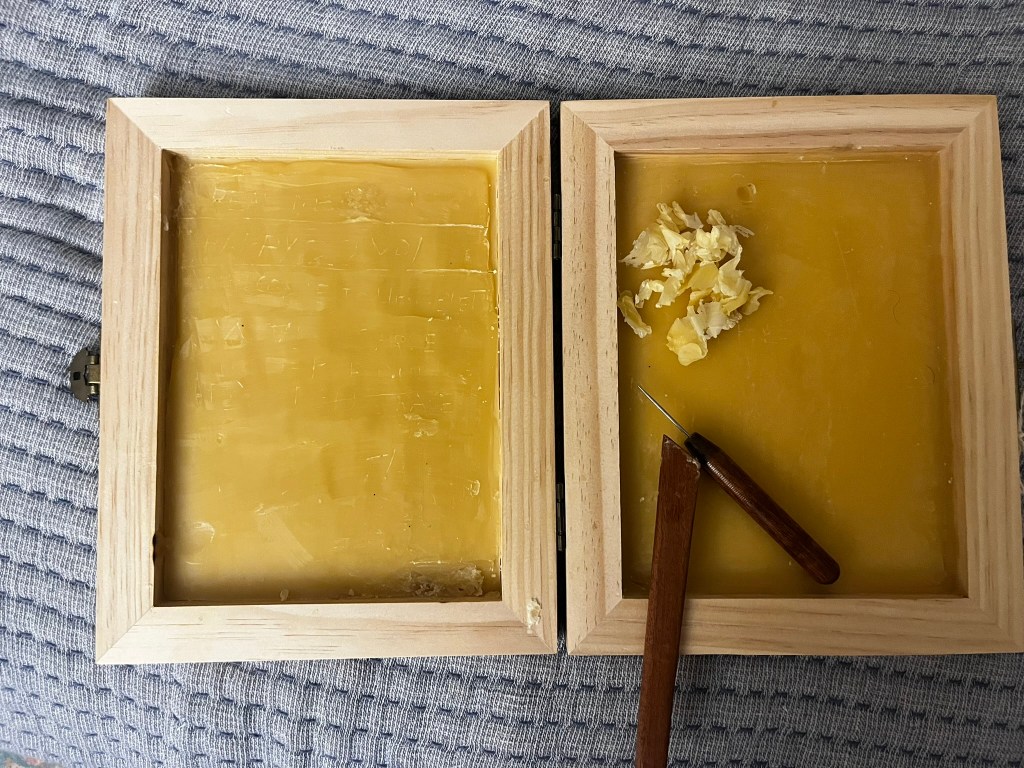
    This image on the left shows what fully hardened wax looks like.


    4. Assembly (For Notebook/Diptych Style)

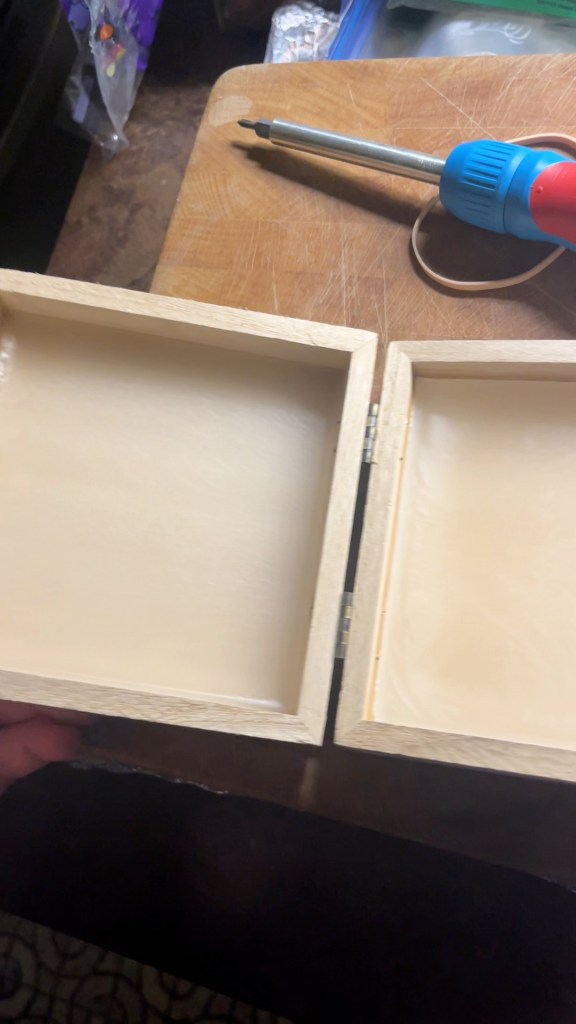
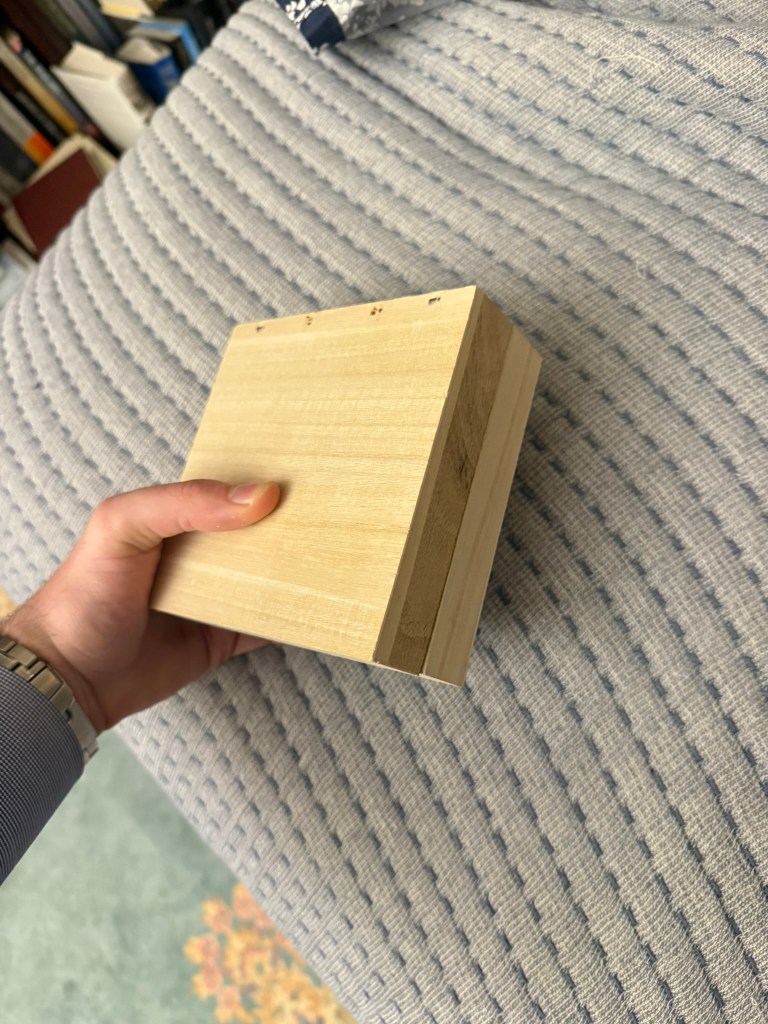
    Measure hinge placement at ¼ and ¾ along the side where the panels meet. Center the hinge’s barrel over the seam. Use a drill for cleaner pilot holes if needed.

    If you’re using optional hardware like a latch or corner protectors, now’s the time. These can help disguise slight asymmetries or keep a wonky tablet shut.


    5. Making a Wooden Stylus

    Cut the dowel to your preferred length. I usually break it by hand, then sand the edge smooth. Sharpen one end to a point using either a pencil sharpener or a knife.

    If you’re using a knife:

    • Always cut away from your body
    • Consider using safety glove (this can be found at hardware and kitchen supply stores, not to mention online—I personally use Wüsthof’s)
    • Be most mindful of your body from elbow to fingertip—this is where most injuries occur in manufactury (shoutout to my friend at Dow Chemical for that tip).

    6. Writing, Erasing, and Experimenting

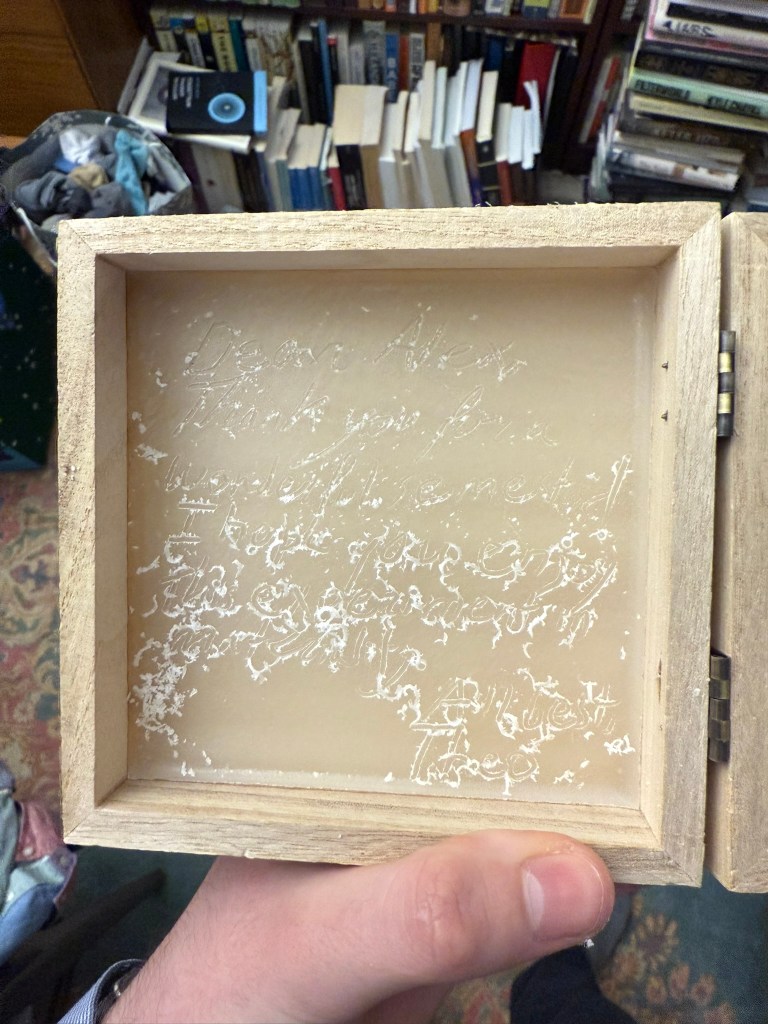
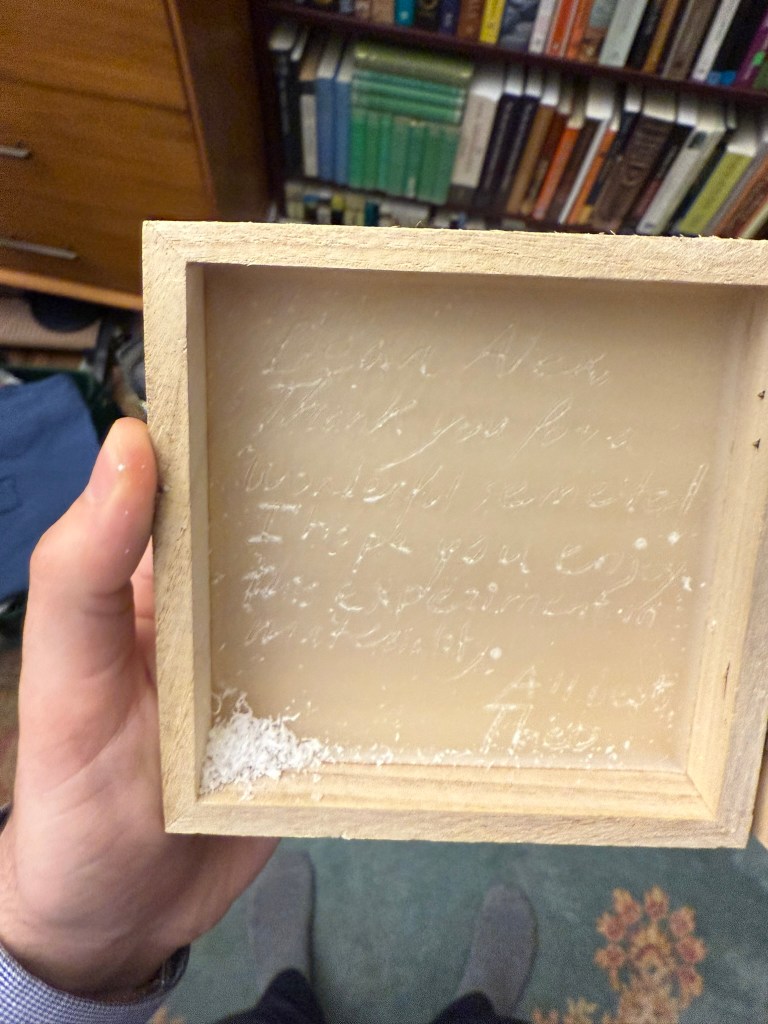
    Try varying your pressure and angle. Deeper strokes are easier to read but leave behind more excess wax. Shallower strokes are neater but harder to see. Softer wax helps a lot with both legibility and tactile feel.

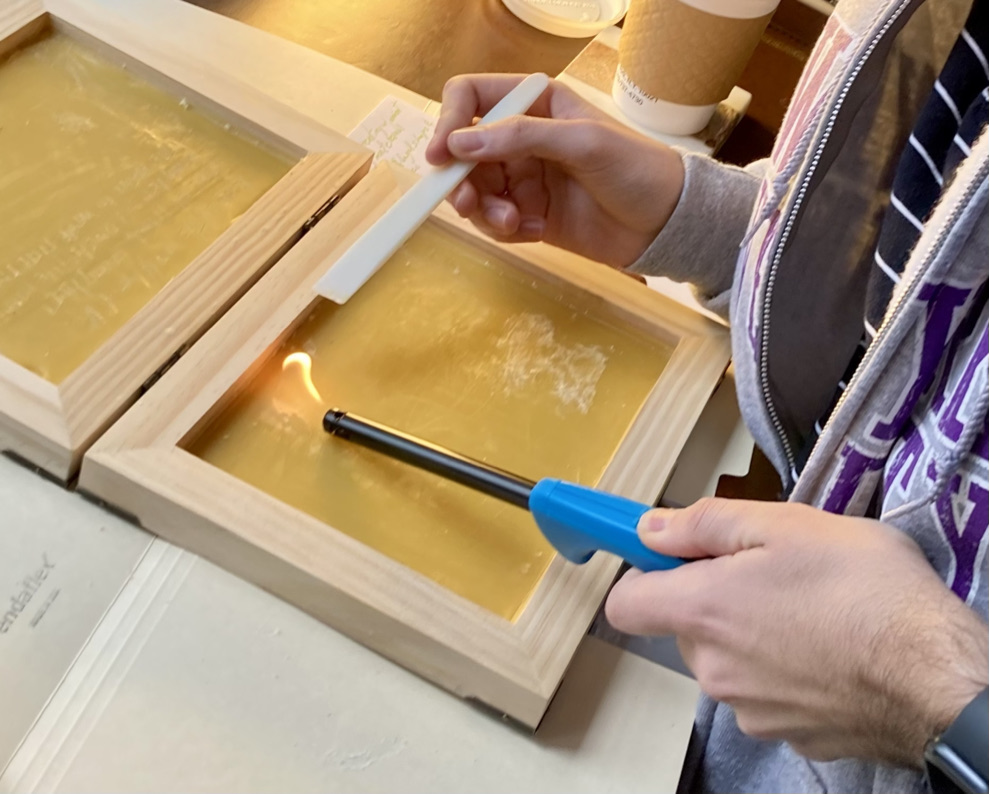
    For erasing, you can use the flat end of a bronze stylus (mine is shaped like a little rake) or just warm the surface slightly (one of the pictures below has me using a pottery smoothing tool and a long-handled lighter) and smooth it over.


    My Observations

    • Wax hardness really matters. The softer wax is dramatically more forgiving (particularly when it comes to erasing) and is significantly more legible.
    • Depth vs. visibility is a real trade-off. Carving deeper makes your letters clearer but creates more crumbly debris and texture. Shallower strokes are neater but vanish in dim light, you really need to hold it at an angle so as to get a “raking light” angle.
    • I think it’d probably have been best as a personal memory tool. The writing isn’t super legible to others, and it can’t hold a ton. I’d think abbreviations would’ve been common, for the sake of economy—which would further ‘personalize’ the tablet and make it harder for another person to read.

    If you try this yourself, I’d love to hear about your materials and results—feel free to email me at tfavdw@nyu.edu!