
These thoughts concern the evolution of knowledge and intellectual culture in the general and abstract. They are reflective of no particular environment.
We receive our disciplines like walled gardens—beautiful, precise, and fenced. We pad through them carefully, tracing old paths, diligent to not disturb the moss. The longer I study, the more I believe those walls are historical habits, not inevitable truths; refined in their purpose yet always evolving.
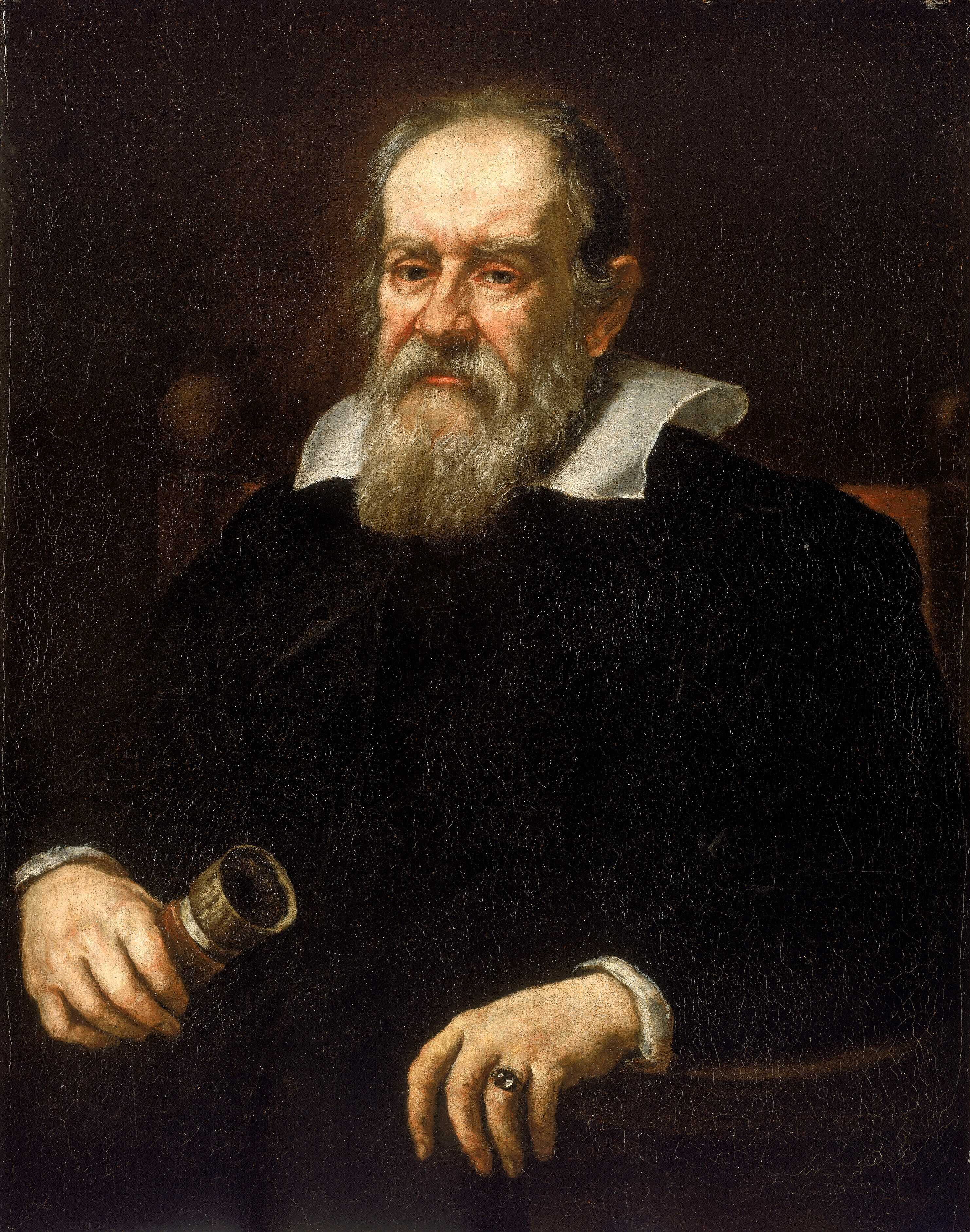
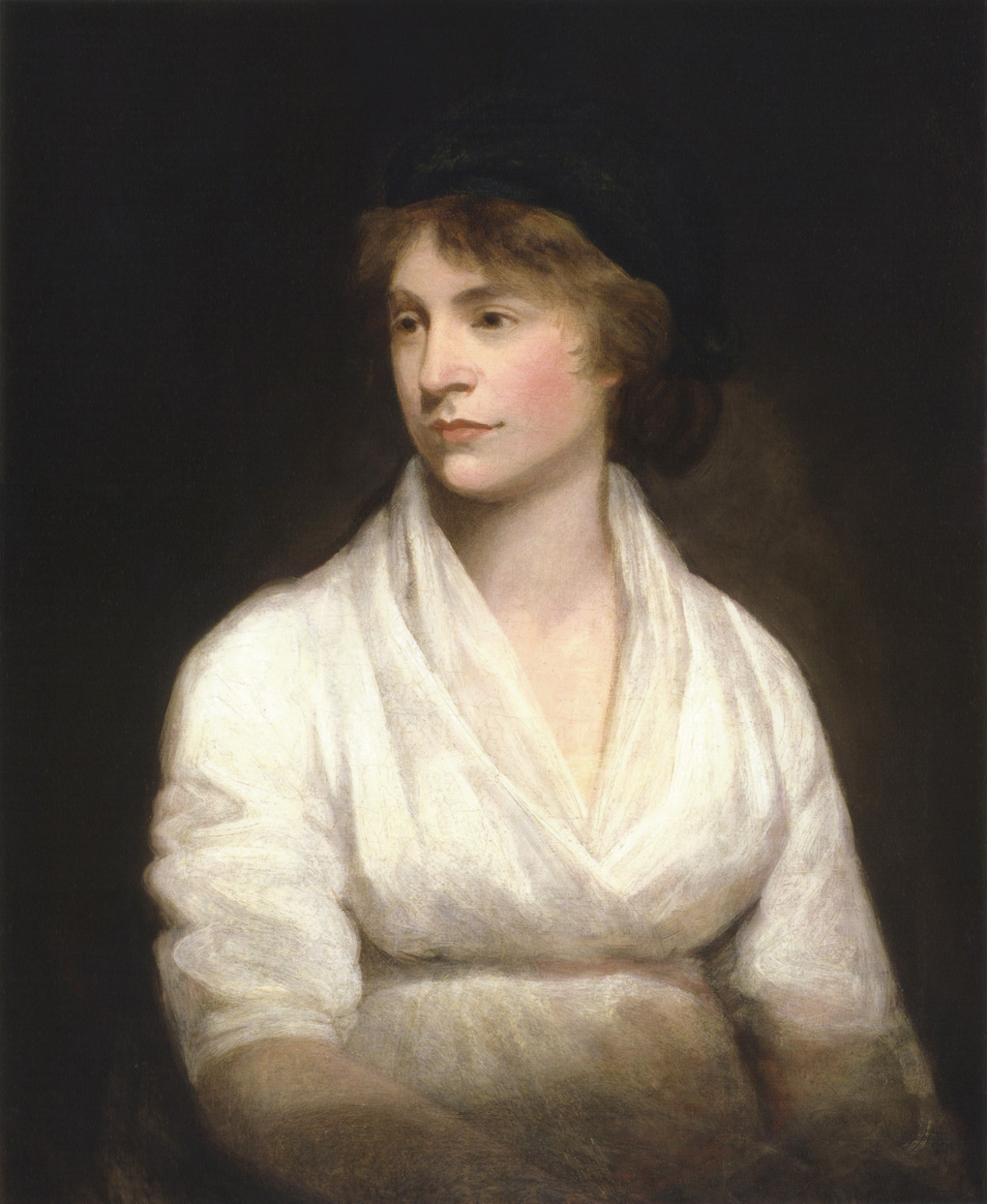
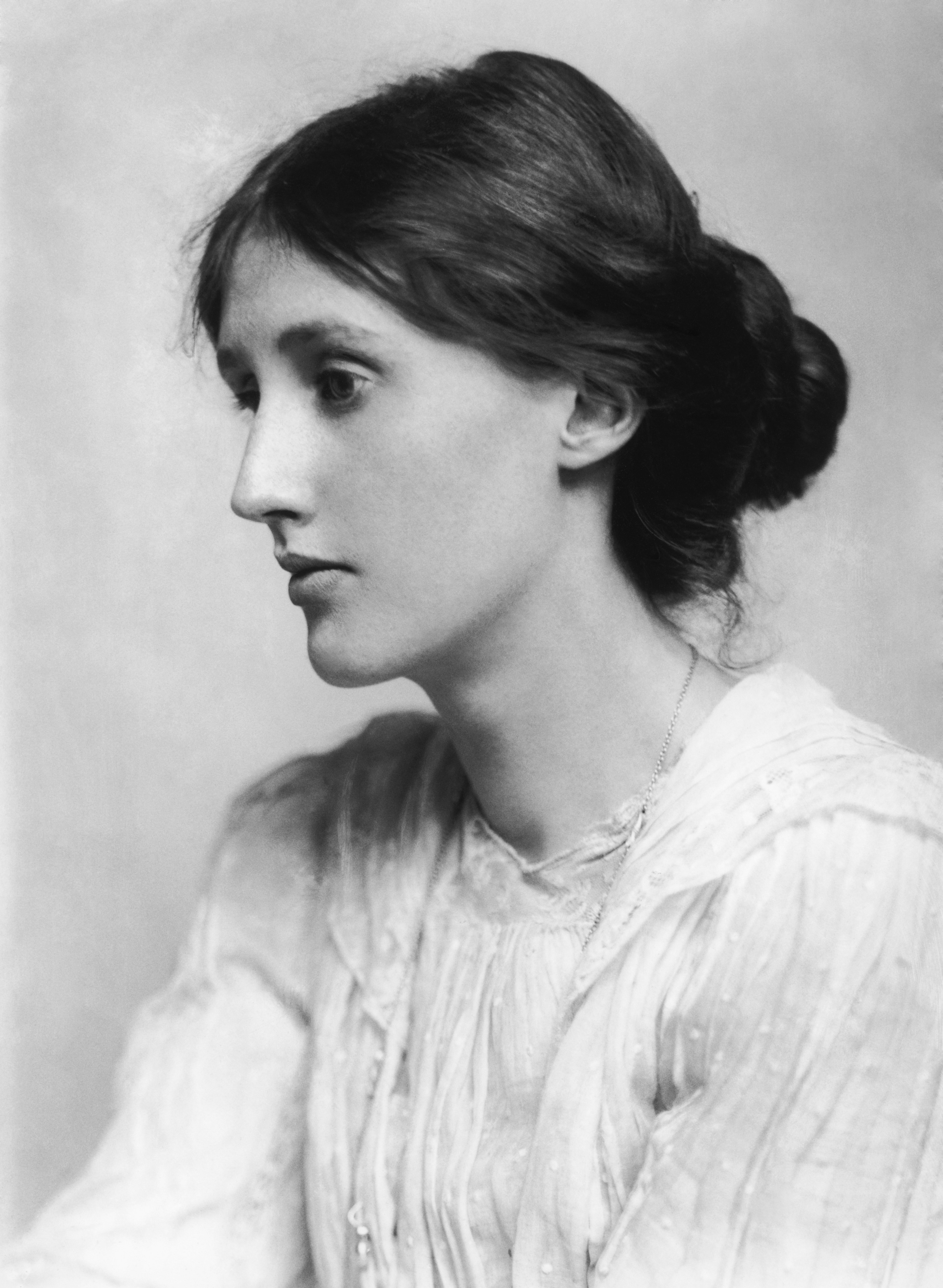
I’ve been getting teary-eyed lately thinking about the great askers in history, our Galileos, Hypatias, Wollstonecrafts, Woolfs. It moves me profoundly, how questioning has incited every movement to remake and renew.
Knowledge, like water, seeps through citation, conversation, and the quiet generosity of people who share what they’ve made. The digital age didn’t invent that impulse—it just revealed how ancient it was. Copyists in monasteries, scribes at their tables, scholars passing marginalia hand to hand: they were already practicing open access, one leaf at a time. Preservation depends on circulation: a text survives because it’s passed along.
The archive’s great secret is that it wants to be read.
 To Wake the Dead
Leave a comment