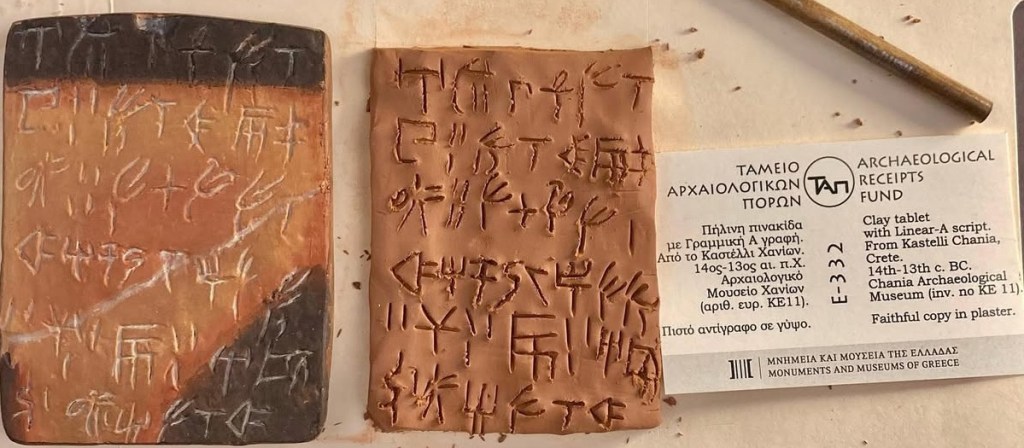
I’ve come to think of method less as a set of tools than as a kind of temperament: a composite of instincts, tolerances, pleasures, and refusals. What I reach for first—what I avoid, or delay—says as much about me as any personality test ever could.
My research temperament is structured by two main drives: one towards depth and the other towards care. I’m drawn to slow practice—hand-tracing inscriptions, line-by-line translation, annotating with attention. I like to feel what a text is doing in context, on the object, in the curve of the letter. I start at the center and work outward. This drive isn’t just intellectual—it’s emotional. It’s about fidelity to the thing at hand, a form of care that undergirds both my method and my ethics.
Care, for me, shows up as both method and ethic. When a topic feels especially resonant—diaspora, language loss, archival absence—I become meticulous, sometimes overly so. I revise and rework because I want to honor the stakes. And when I know others will read it—colleagues, strangers, professors—I feel a sense of responsibility that sharpens everything. It comes from a wish to think it through with integrity.
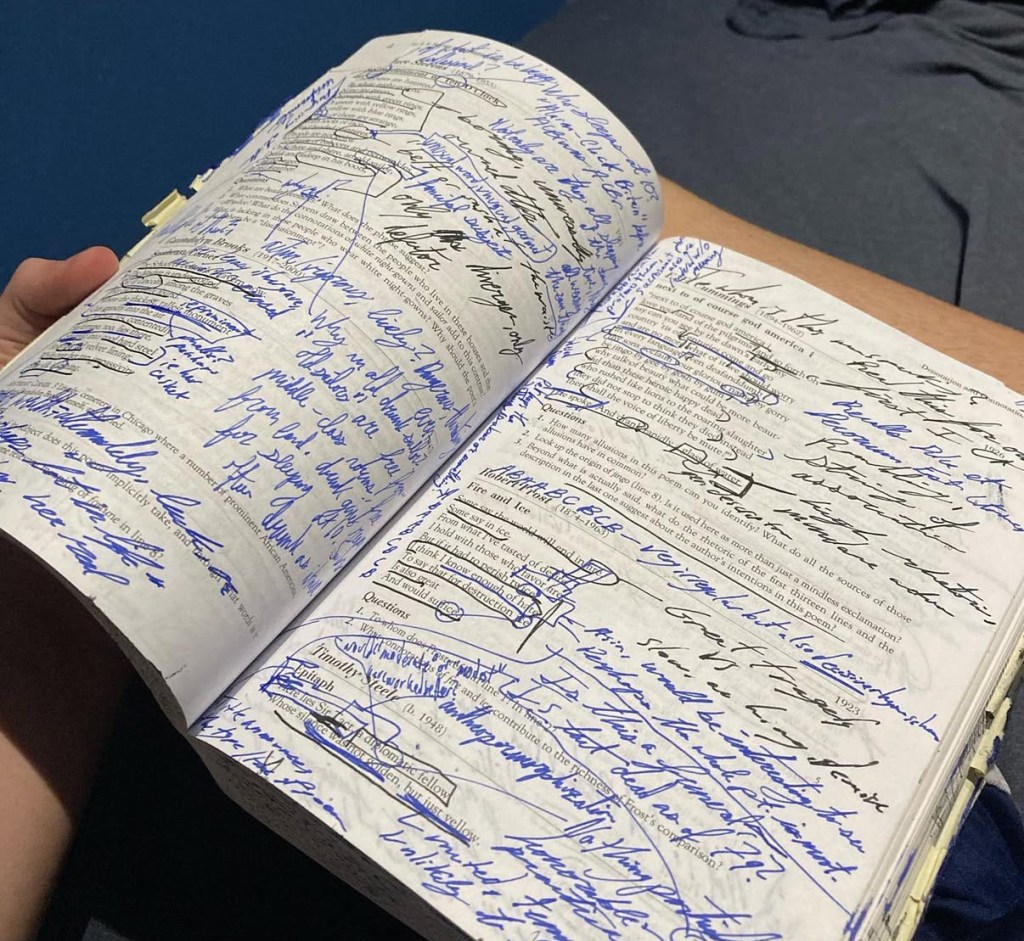
That same temperament—the mix of care and depth—also shapes how I move through time. My pace is uneven. I tend toward long stretches of saturation—reading twenty books at once, letting ideas percolate—punctuated by sudden bursts of output, where everything connects at once. My brain is highly associative and lends itself to this kind of work. Texts imprint themselves. I’ll remember something I read a decade ago—exactly where, on which page, in what margin. But that same connective capacity can make writing difficult, especially academic writing, which demands resolution. I resist closure. I prefer the bracket, the margin, the slow unfurling of something not yet finished. That’s part of why this blog exists. It’s a place to let the incomplete still mean something.
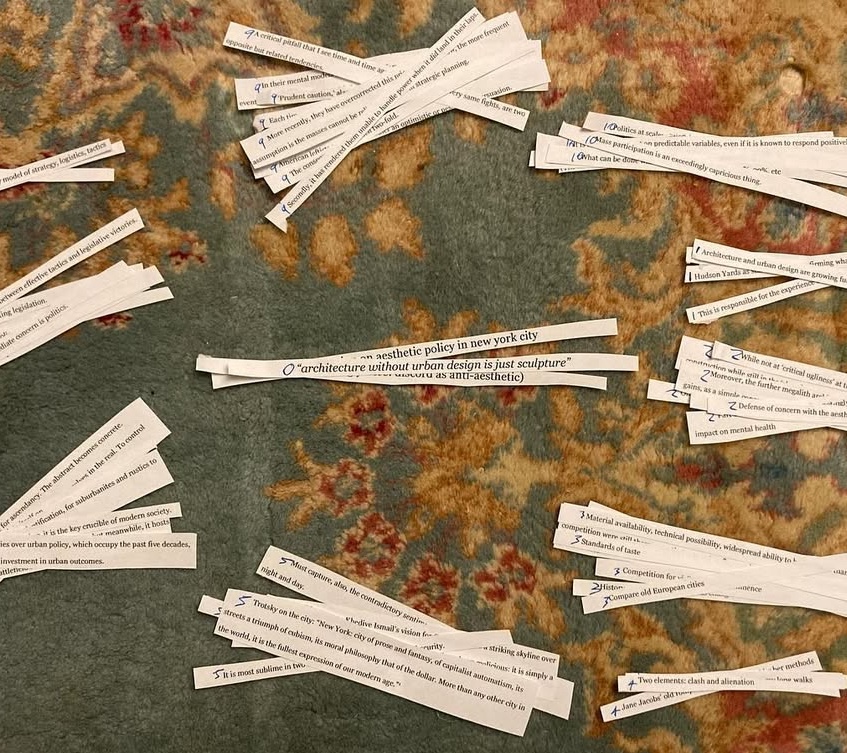
Which is to say: method reveals more than habit. It discloses a relation to uncertainty, to audience, to delight. If someone looked only at my notes, my file structures, my markups, they’d see an unusual mix of chaos and precision. They’d know I’m curious, restless, attentive. But they might miss the joy. The methods reflect care—but it’s here, in the writing, that joy becomes legible. That’s a method, too.
 To Wake the Dead
Leave a comment